/ Aarhus University
/ Physics
/ Subatomic Physics
/ Nuclear Theory
>
Numeriske Metoder / Numerical
methods F12
[
FAQ
| F11 home-page ]
- NB:
-
- I am sure I told you that the system
rand() is not
thread-safe. For multi-processing you need to use a thread-safe random number
generator from the GSL library.
- People without a student number shall use their sequence number from
the spreadsheet.
- Due to the 12h disruption of the internet at AU on 22/06 the second
run people get 24h extention of the run, that is until noon 26/06.
-
At the moment I will only give you (in the srpeadsheet) the
marks "passed"/"not-passed" (in order to save you from fearful
apprehensions). The actual characters will appear later after the last
group finishes – that is, sometime in the mid July. Contact me if
you need your character asap.
- Examination:
- Examination will be done in three runs, 72 hours each, starting
at noon 1/06, 22/06, and 26/06. You have to sign up for a run at the
spreadsheet by indicating the date of your run.
- After (!) the start of your run you go to this page and look at the
examination projects below. I will randomize the sequence of projects
just before the start of the run. Your project number is equal
a modulo n
(the remainder of division) where a is your
årskortnummer (your student number) and n is the
total number of examination projects. Note that if numbering starts from
zero, the total number of projects is equal the number of the last
project plus one.
- Hint: in C/C++ the modulo operation is
a%n; in
Fortran it is modulo(a,n) (I think).
- The examination projects are formulated without the usual items
A, B, C, and D – you have to make them (or something similar)
up yourself (individually). The
*.out.txt files and the
*.png figures should be a (substantial) bit more informative
and self-explanatory (as compared to those in the obligatory exercises).
- A
README or README.txt file with a summary
is not strictly necessary, but won't hurt.
- It goes without saying that
make clean; make should
build the project anew.
- As a part of learning to program you will have to look at other
peoples' makefiles and codes. Each of you must find a partner to check
each other's exercises. The names of the partners should be marked with
the same (otherwise arbitrary) color in the bookkeeping spreadsheet. After
the deadline of the exercise has passed (or indeed any earlier time
agreed between the partners) the partners check each other's makefiles,
illustrations, and results according to the
requirements for the exercises. If you deem your partner's
self-evaluation points fair, you mark the corresponding cells with
your color.
- Schedule:
-
Lectures: Monday, 08:15, 3131-303 (Forskerprk.);
Wednesday, 11:15, 1532-116 (Aud. G1); Σ
Exercises: Wednesday, 13:15, 1525-319 (team 1);
and Friday, 14:15, 1525-319 (team 2).
- Exercises:
-
Setup,
Hello World(due:29/04),
Interpolation(due:7/05),
Linear equations (QR)(due:11/05),
Least-Squares fit(due:14/05),
Eigenvalues(due:18/05),
ODEs(due:21/05),
Root finding(due:25/05),
Optimization(due:28/05),
Adaptive integration(due:31/05),
Monte Carlo
integration(due:31/05),
FFT,
SMP.
- Examination projects:
-
Here they are. Note that counting starts
(hopefully) from 0.
- Weekly notes:
-
-
Introduction:
Numerical computations in physics;
servers and clusters;
POSIX systems;
free software;
programming languages;
programming in POSIX environment;
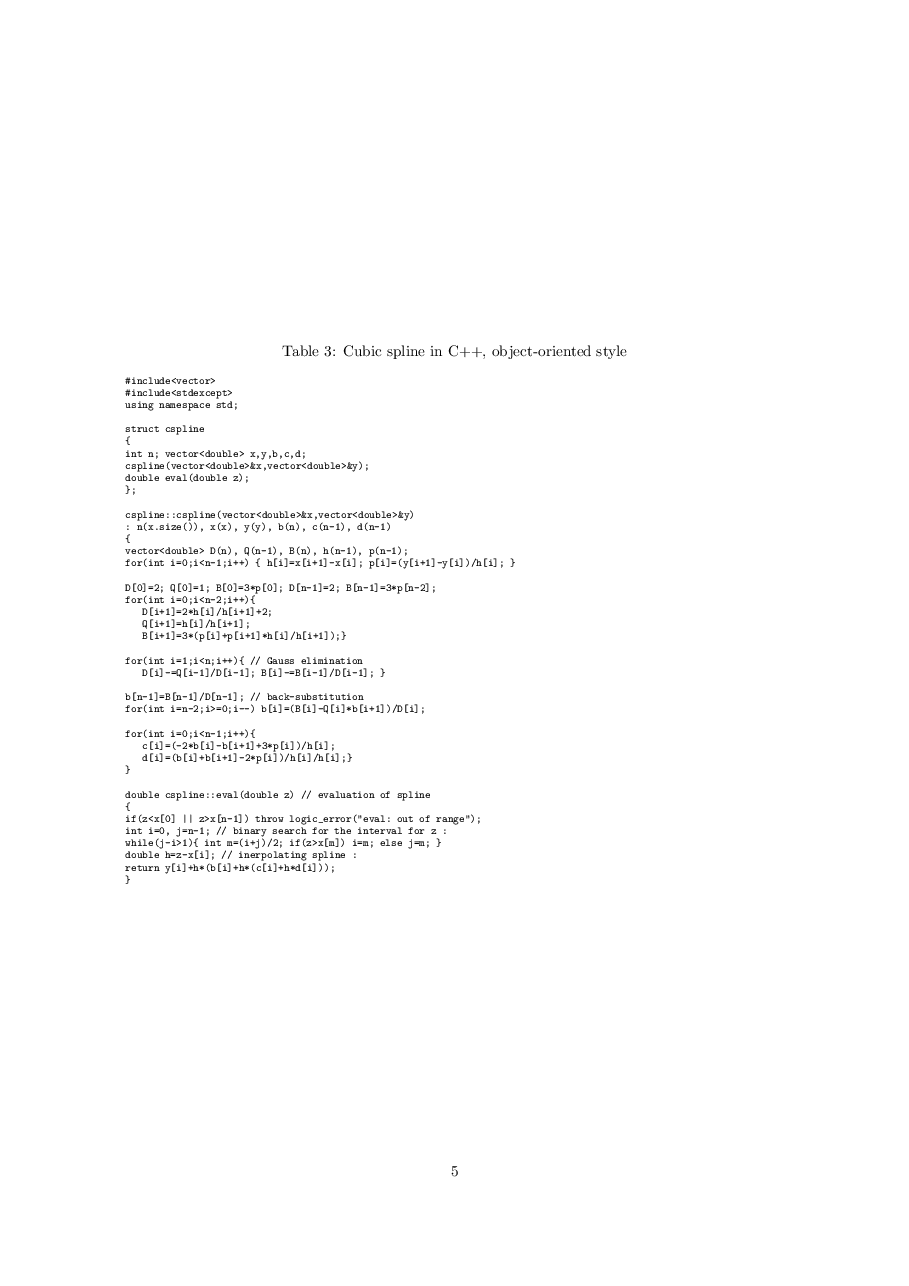
- Interpolation
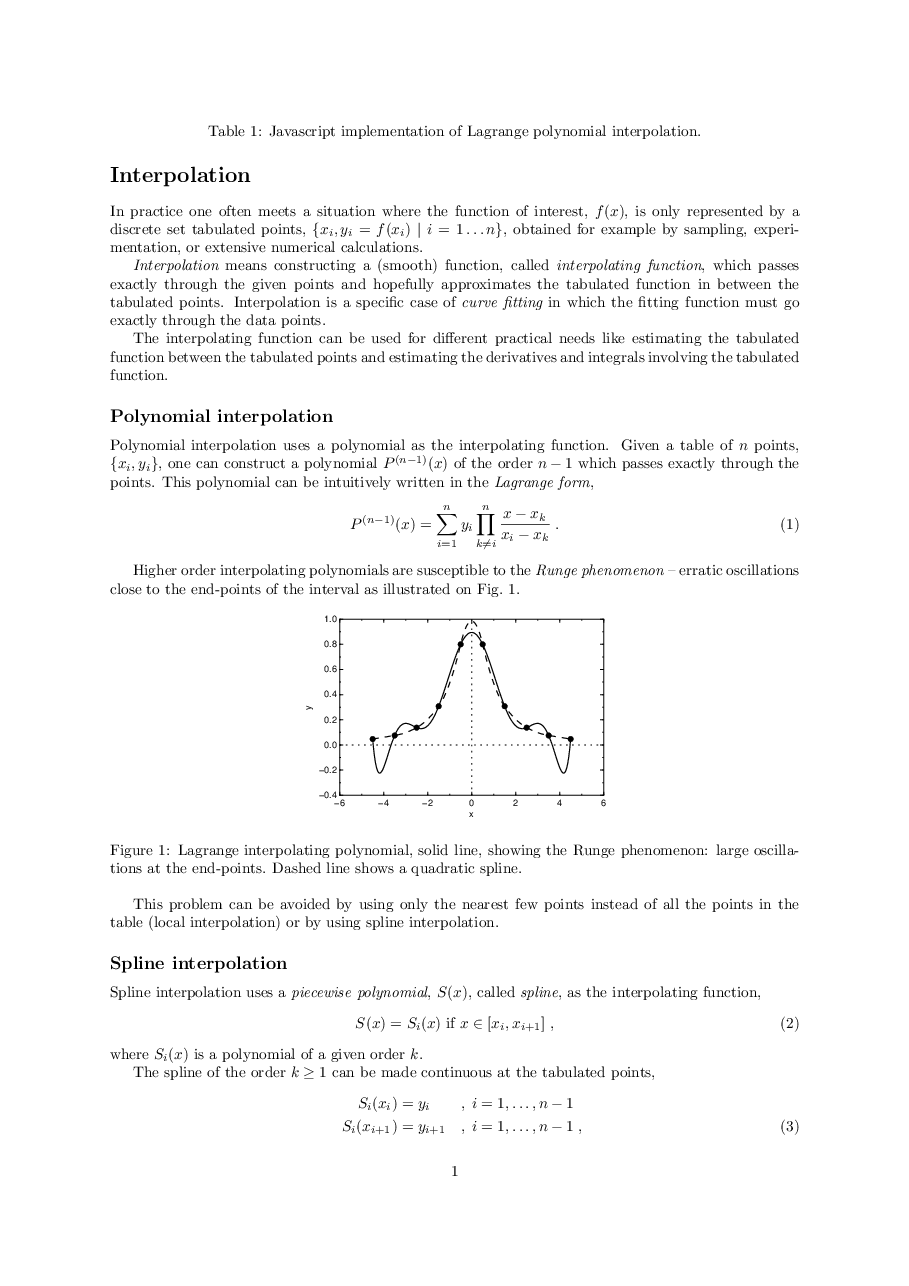
[ pdf;
page1.png; page2.png; page3.png; page4.png; page5.png; (June 25 2019)]
- The POSIX
make
utility;
homework structure: makefile, main.c, method.c, utils.c →
output.txt, illustration.png, ... .
- Polynomial interpolation; spline interpolation: linear, quadratic, cubic
splines; other forms of interpolation; multivariate interpolation.
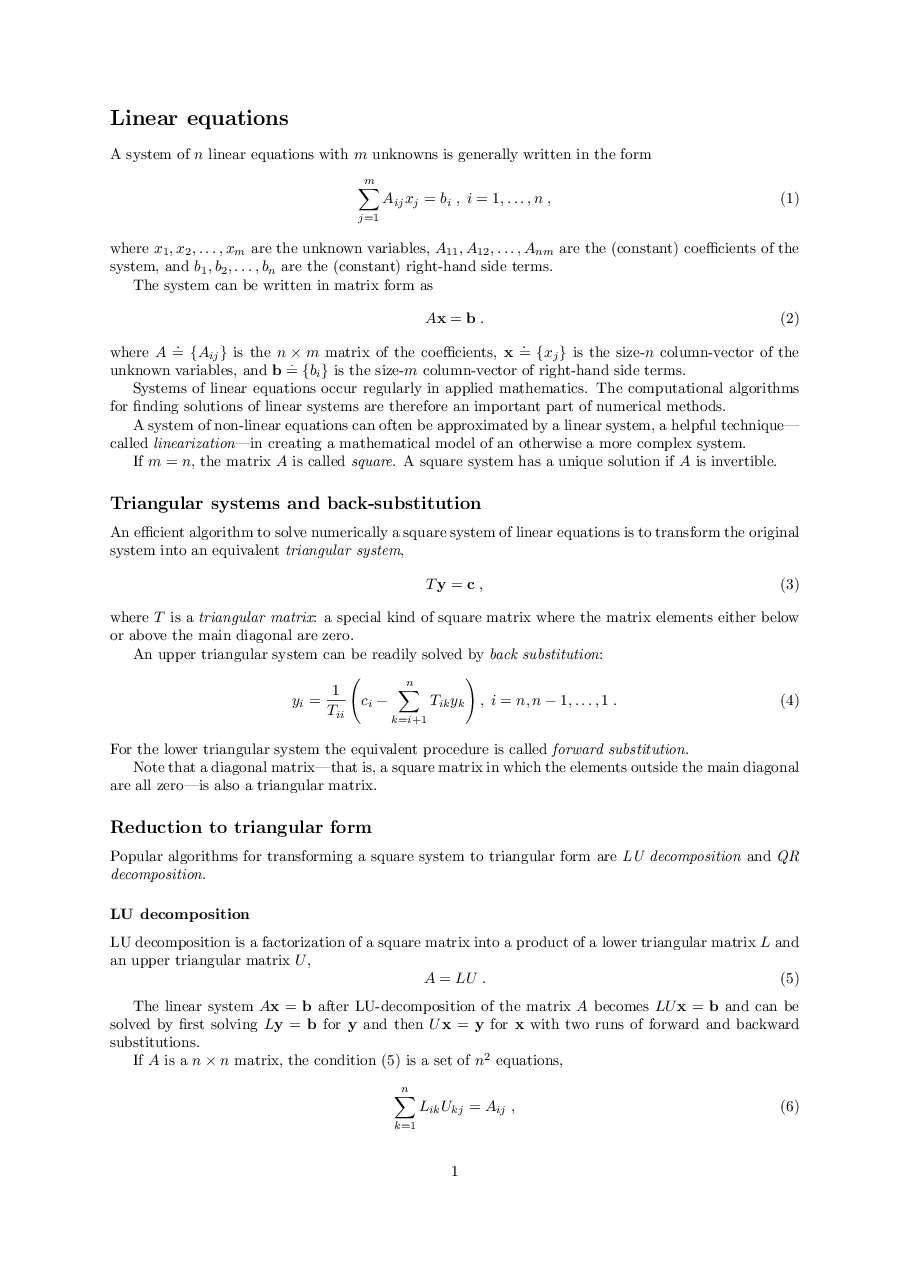
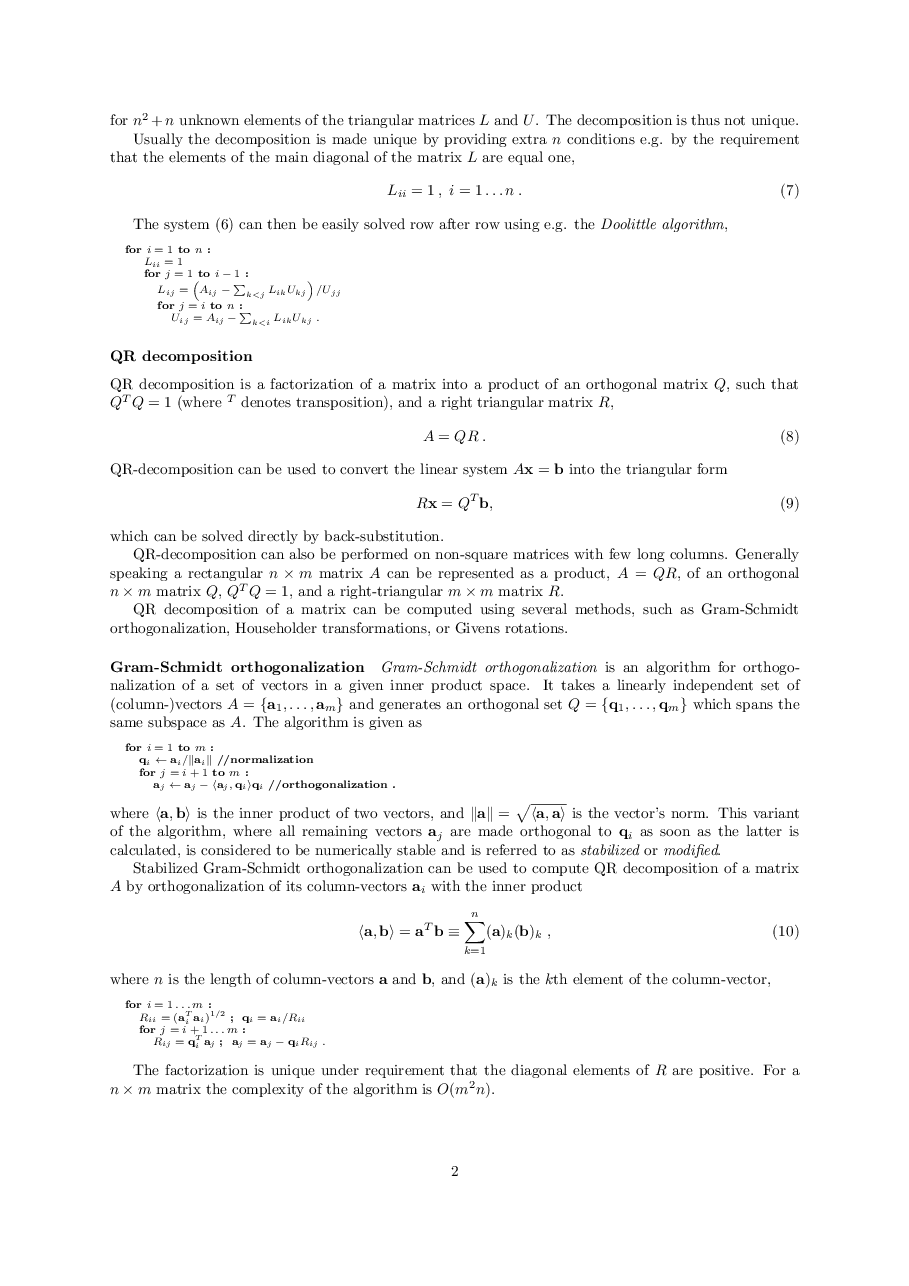
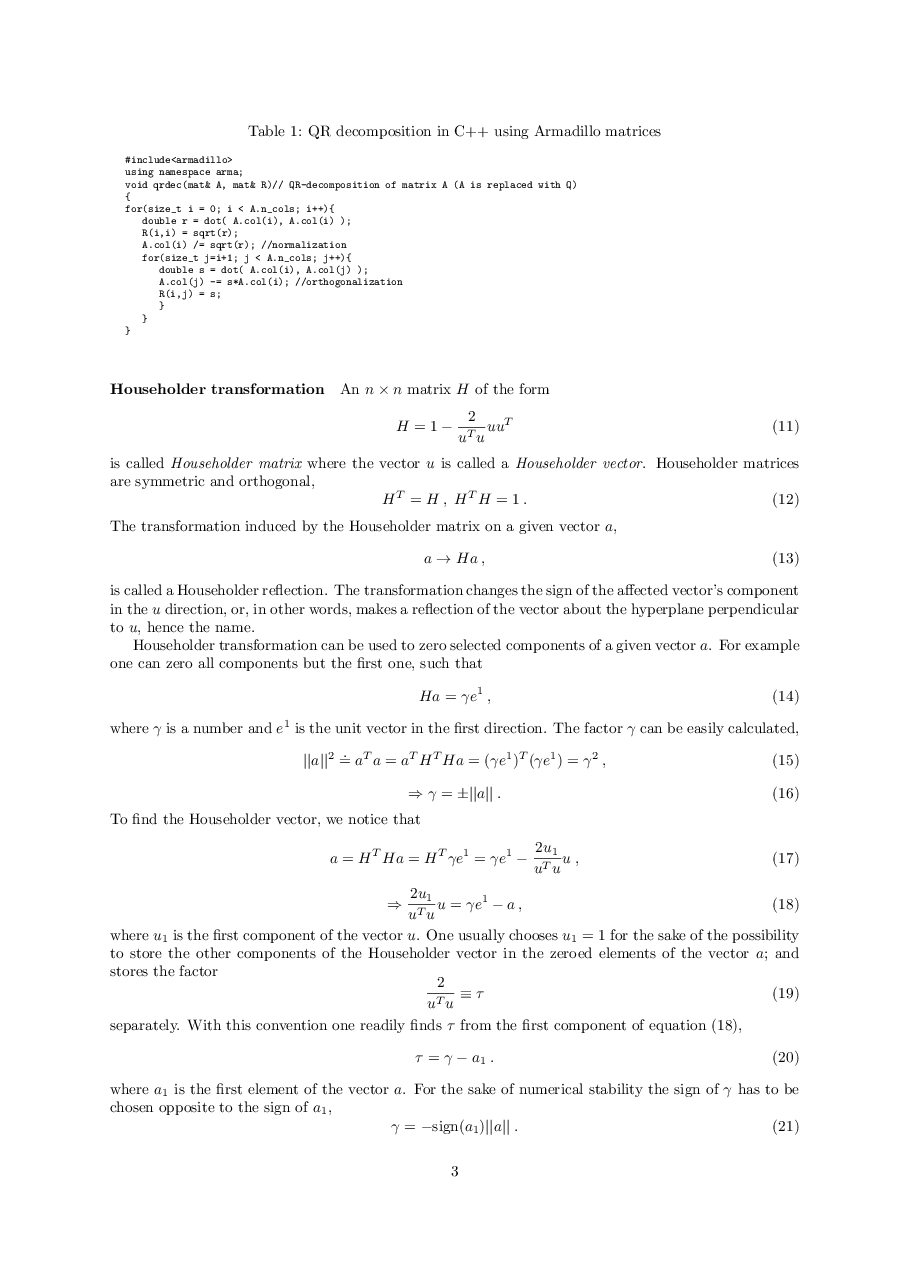
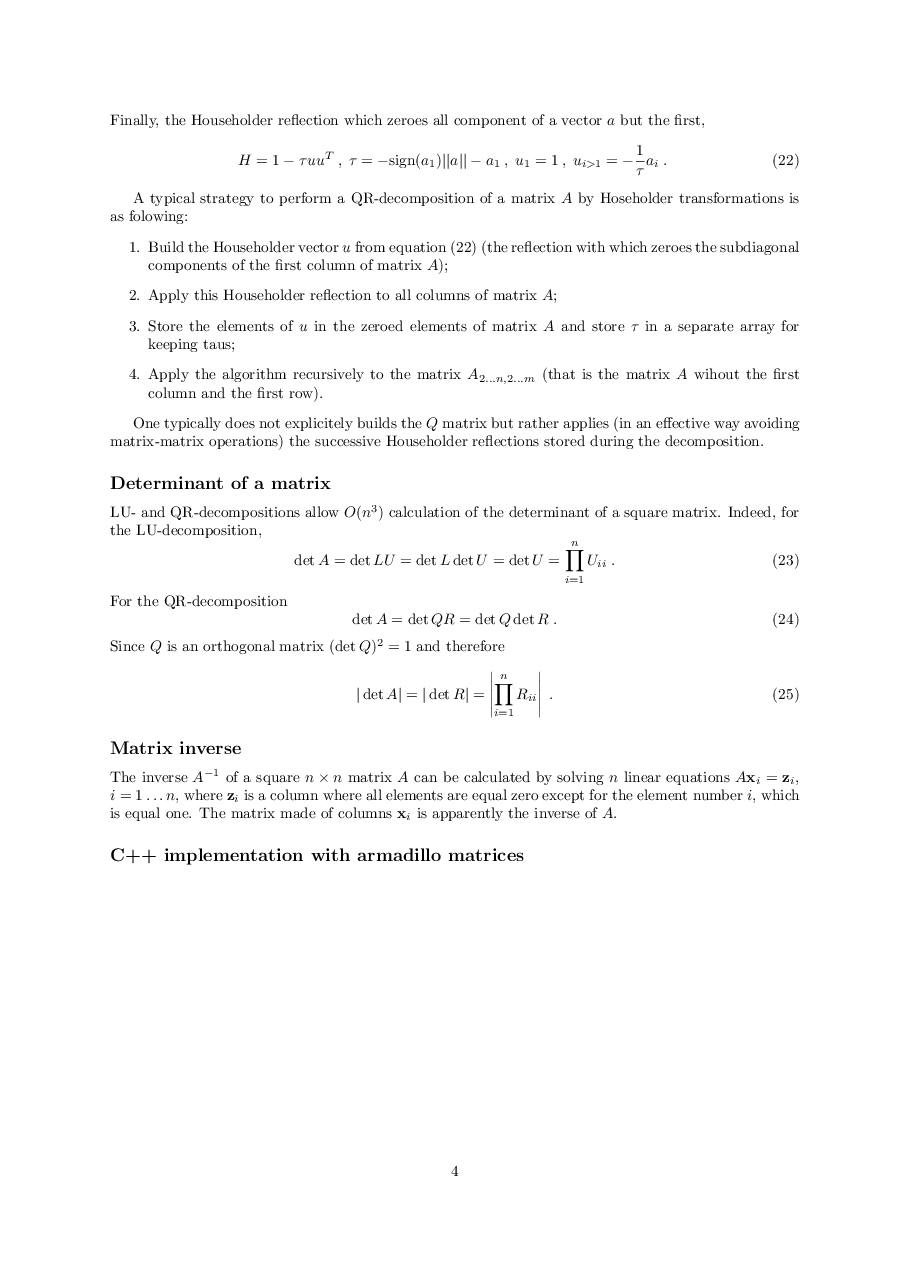
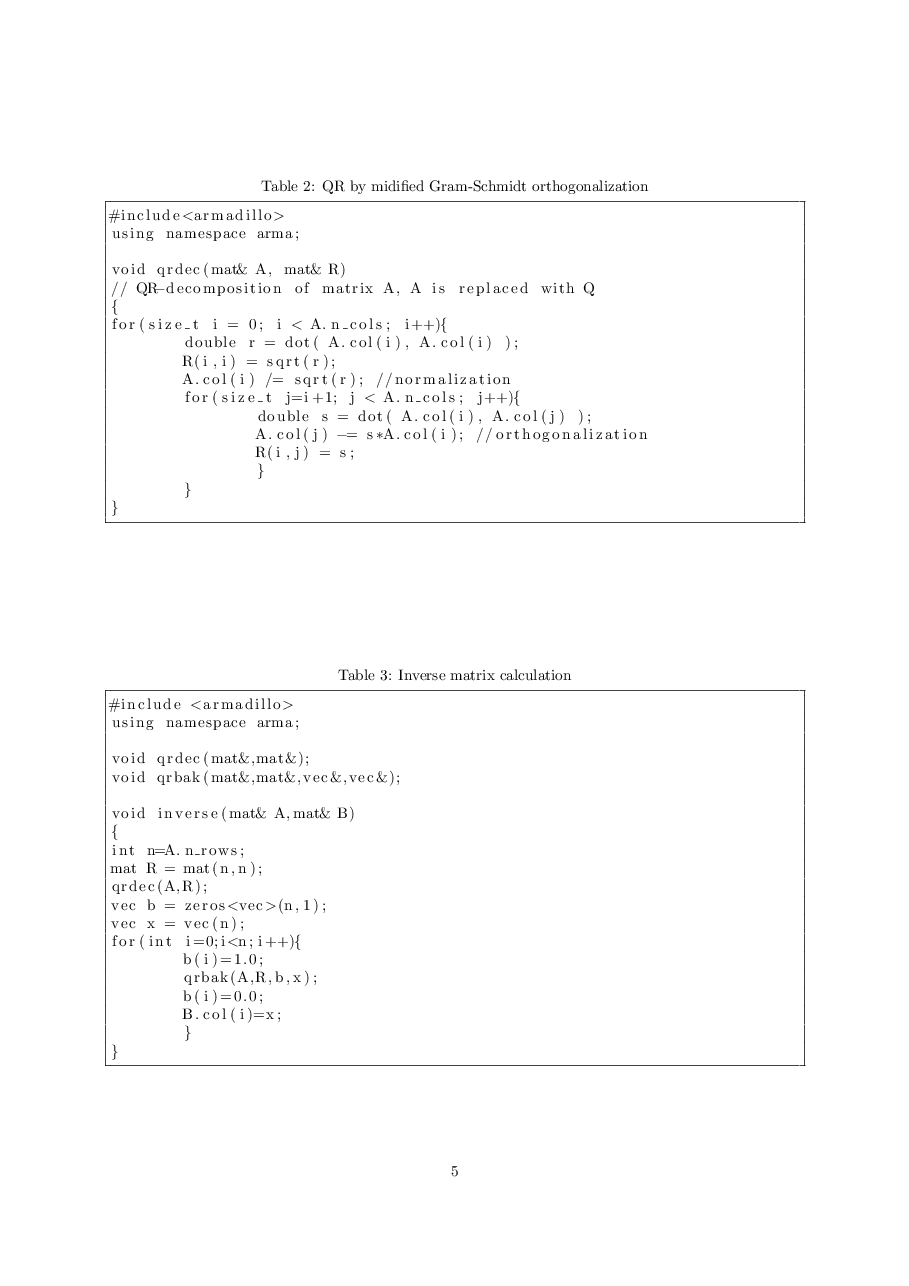
- Linear equations
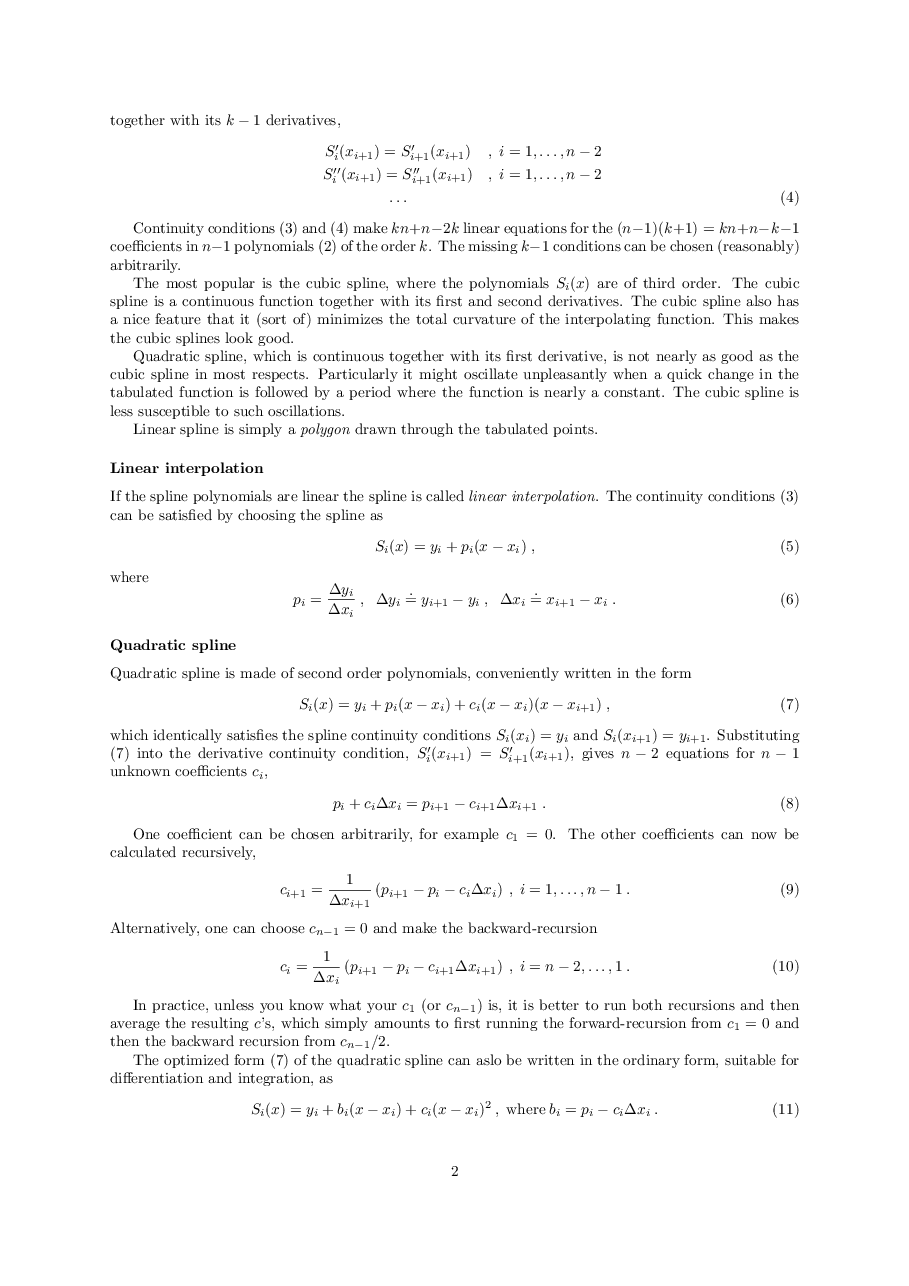
[ pdf;
page1.png; page2.png; page3.png; page4.png; page5.png; (June 25 2019)
]
- Procedurial, object-oriented, and functional programming styles.
- Triangular systems, back-substitution; LU-decomposition:
Doolittle algorithm; QR-decomposition: modified Gram-Schmidt algorithm,
Householder reflection algorithm; determinant of a matrix; matrix inverse.
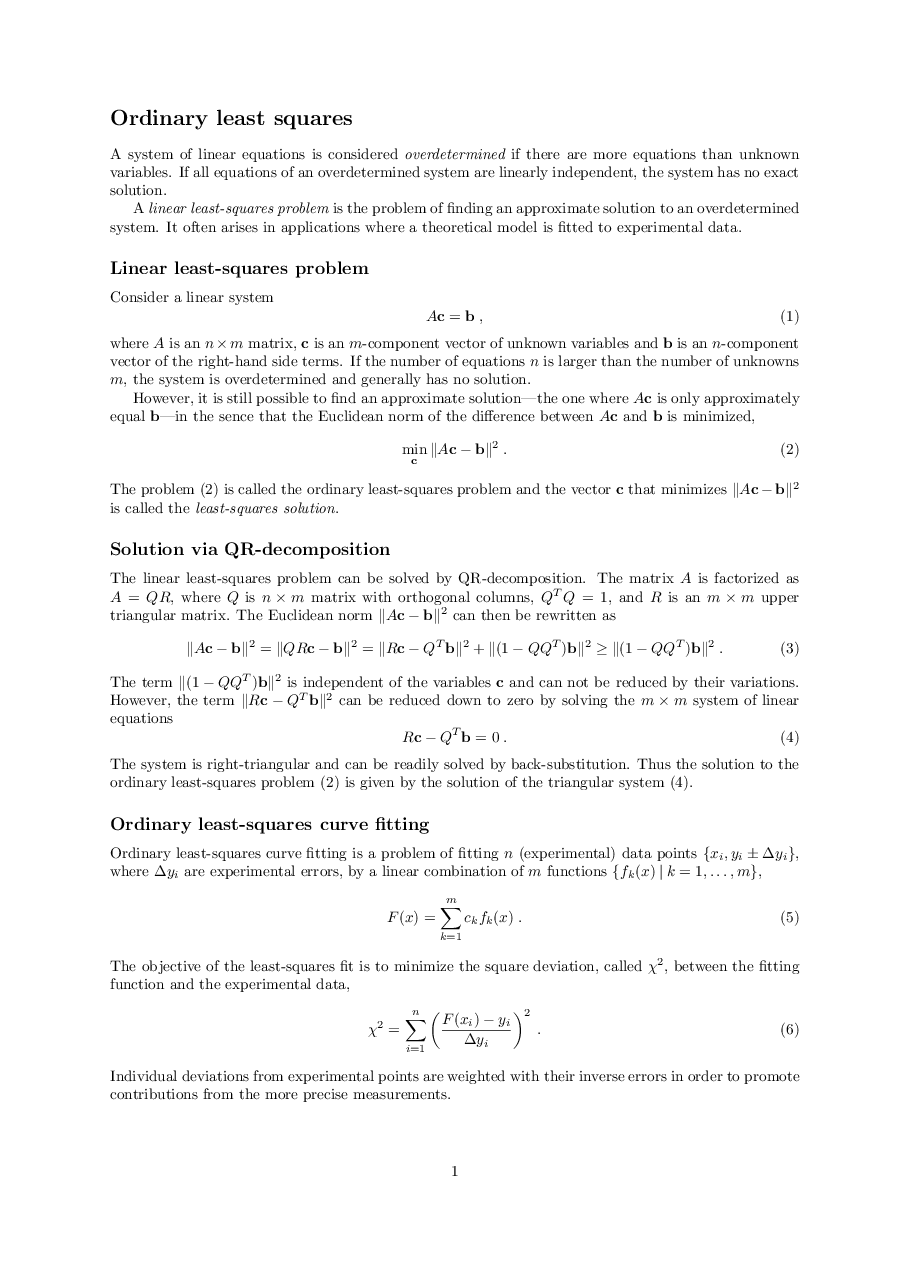
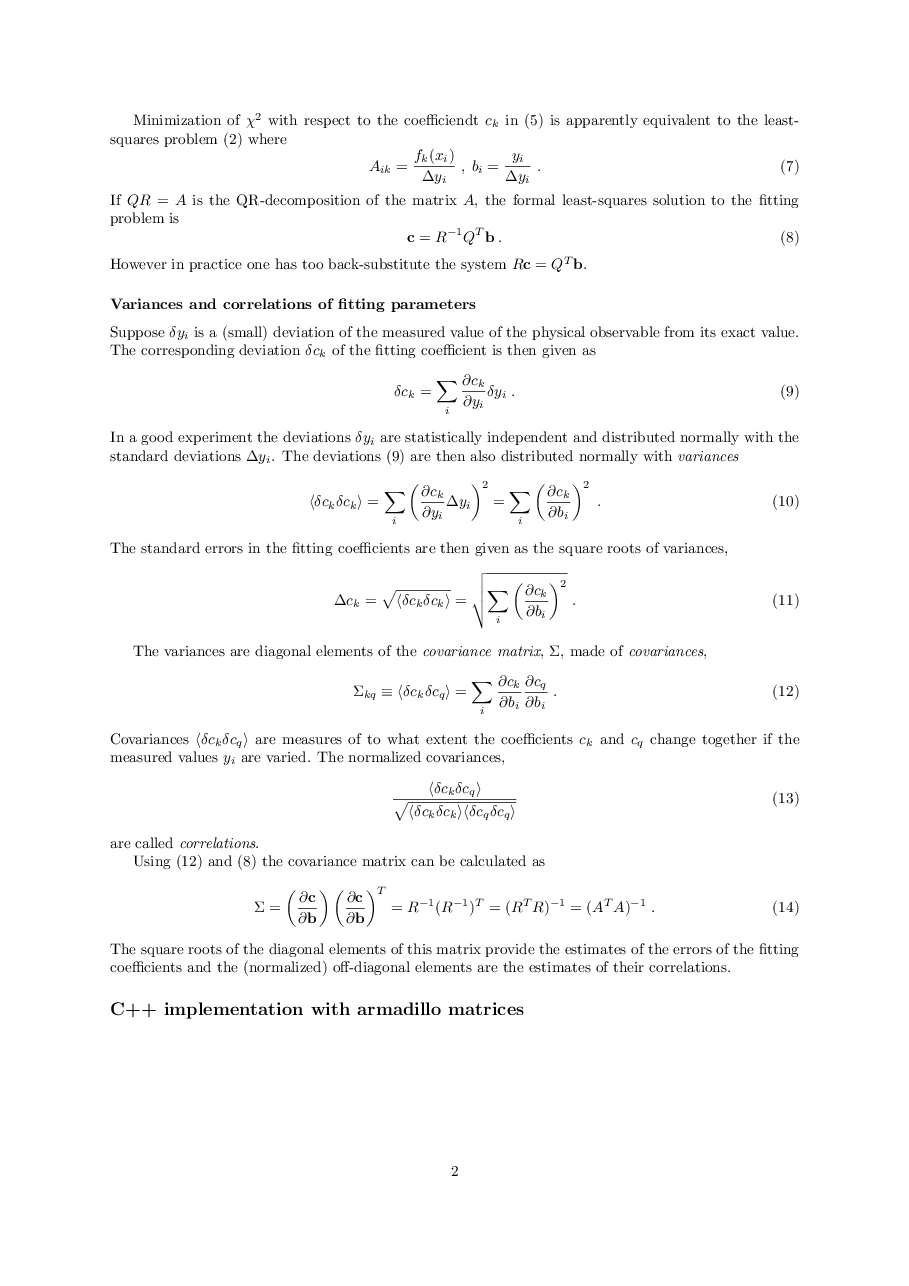
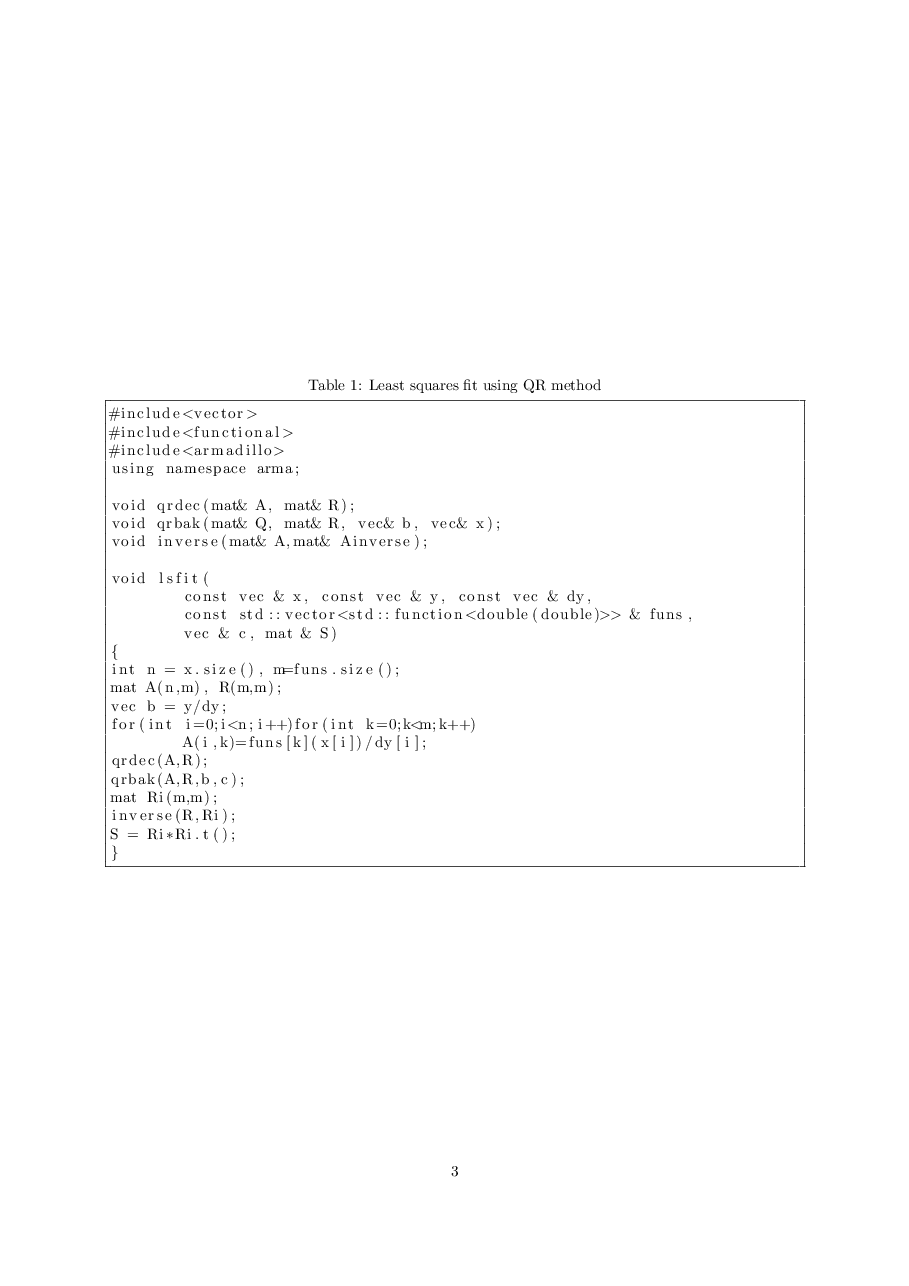
- Linear least-squares problem
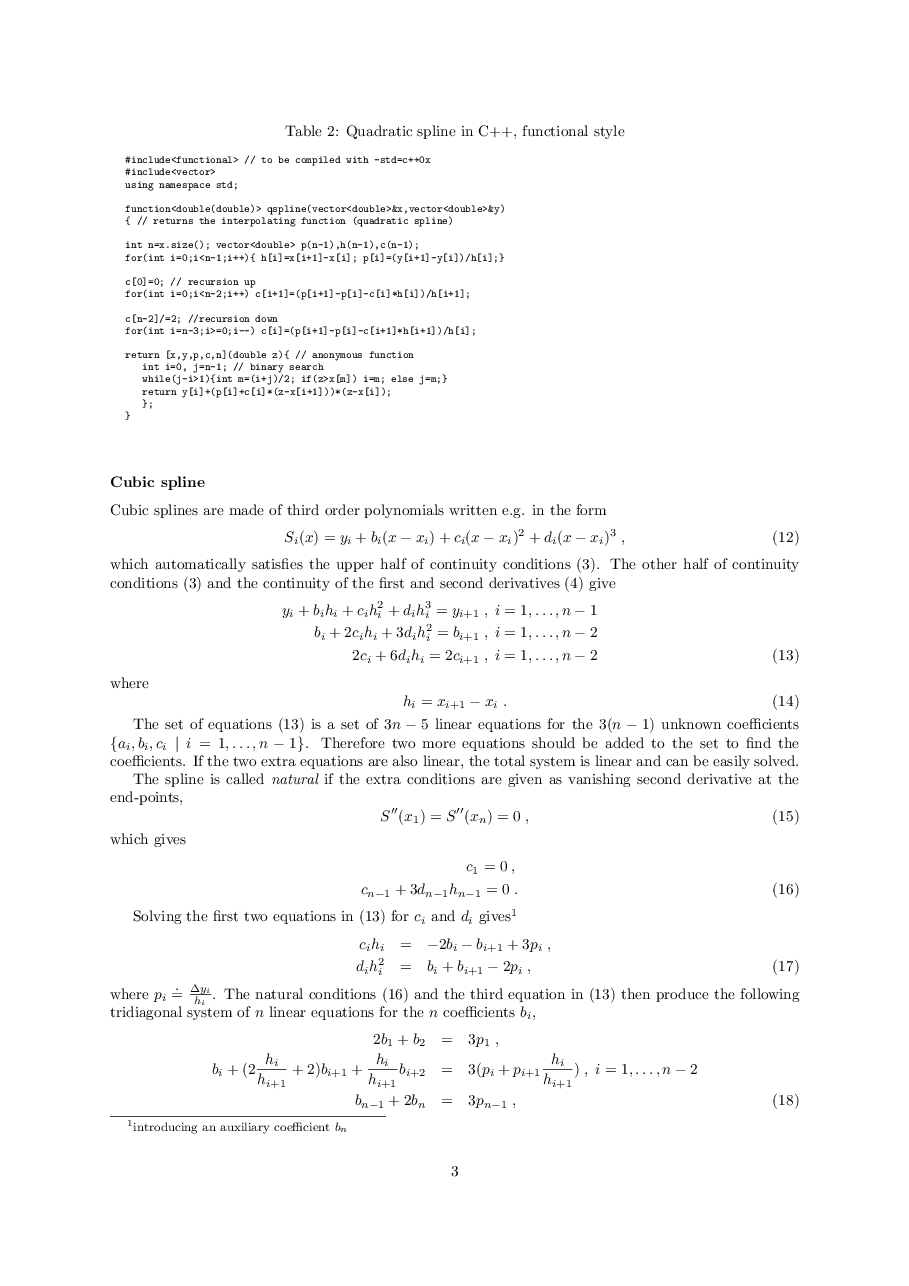
[ pdf;
page1.png; page2.png; page3.png; (June 25 2019)
]
- Matrix libraries:
BLAS,
LAPACK,
ATLAS
→
GSL,
Armadillo.
- Least-squares solution with QR-method; ordinary least-squares fit;
fit errors and covariance matrix.
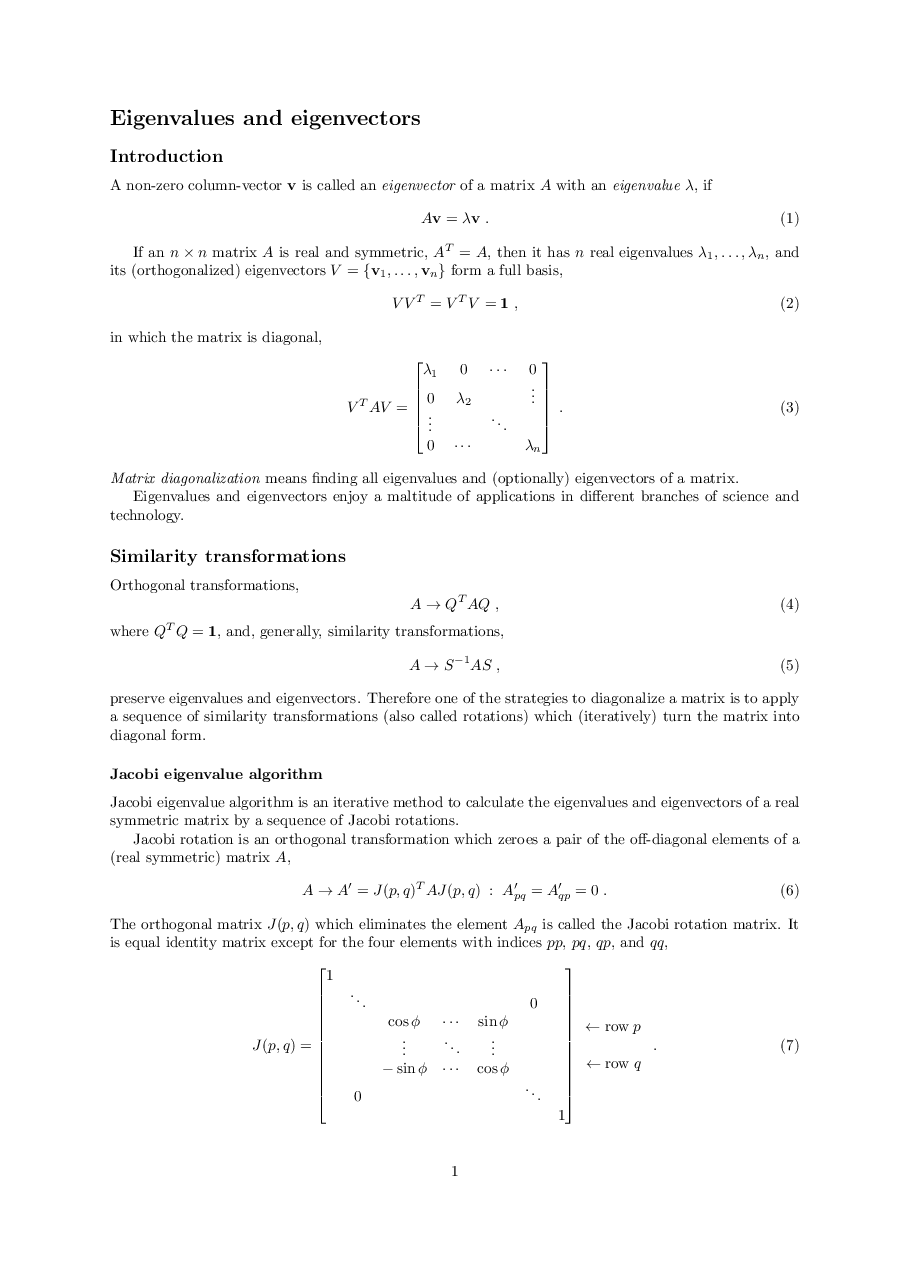
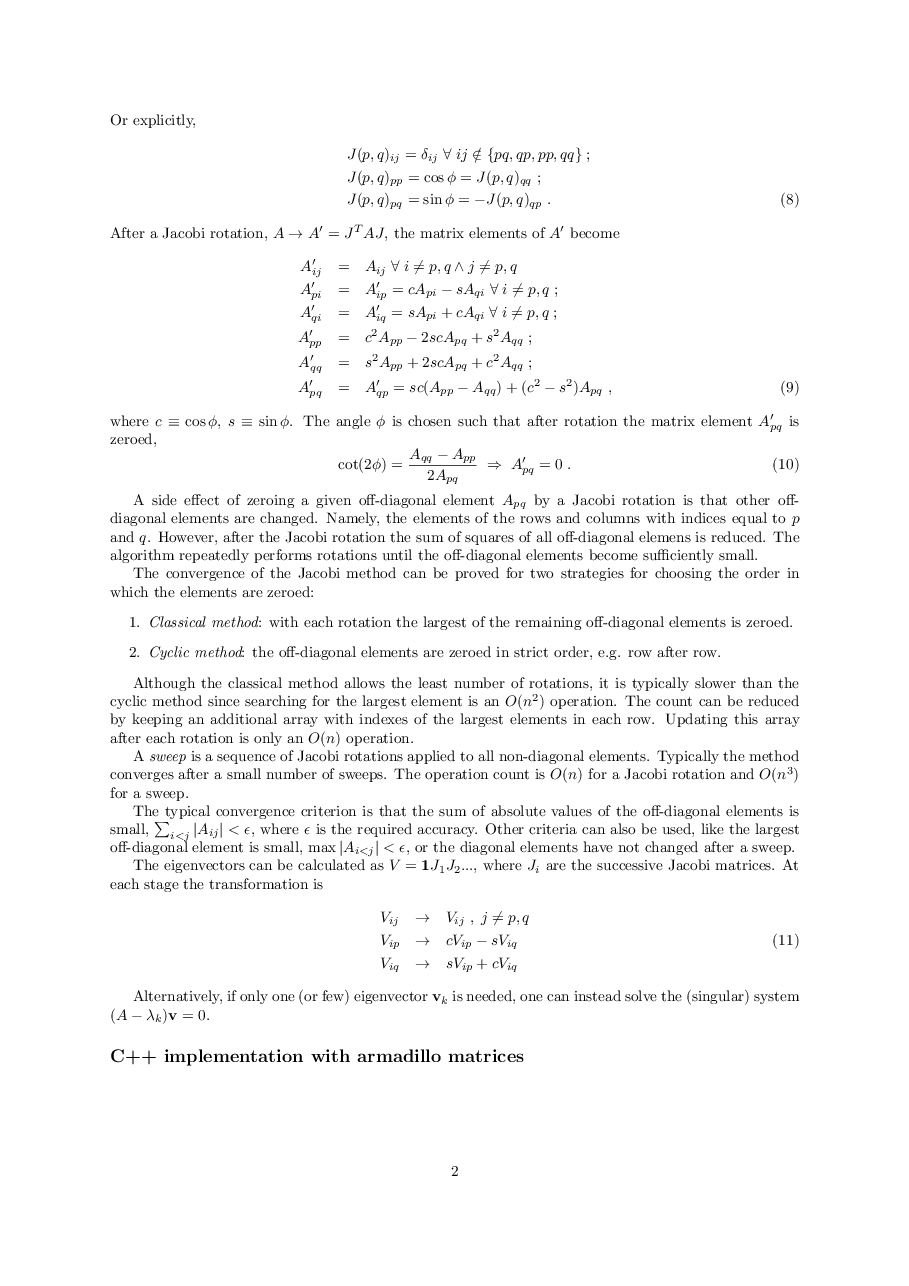
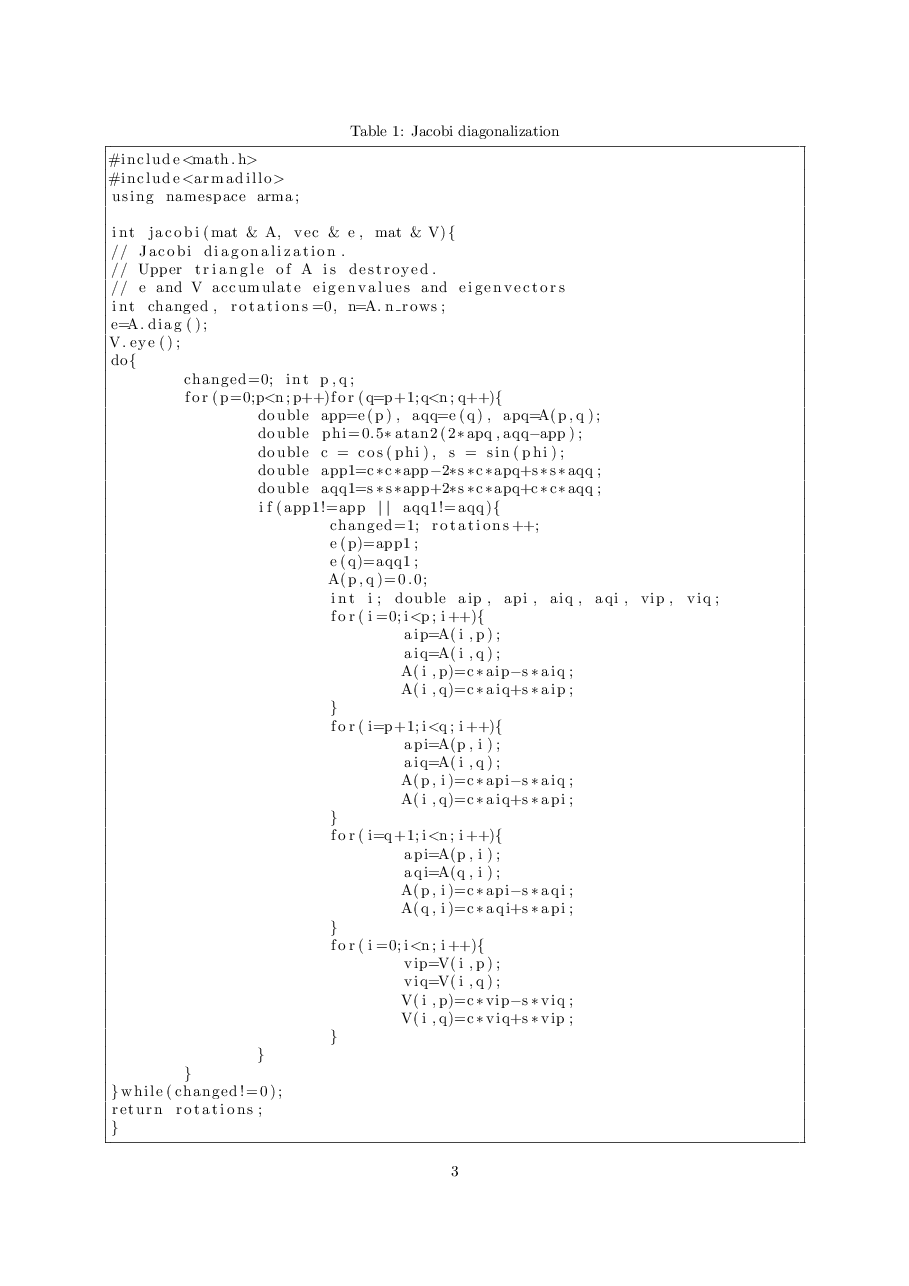
- Eigenvalues and eigenvectors
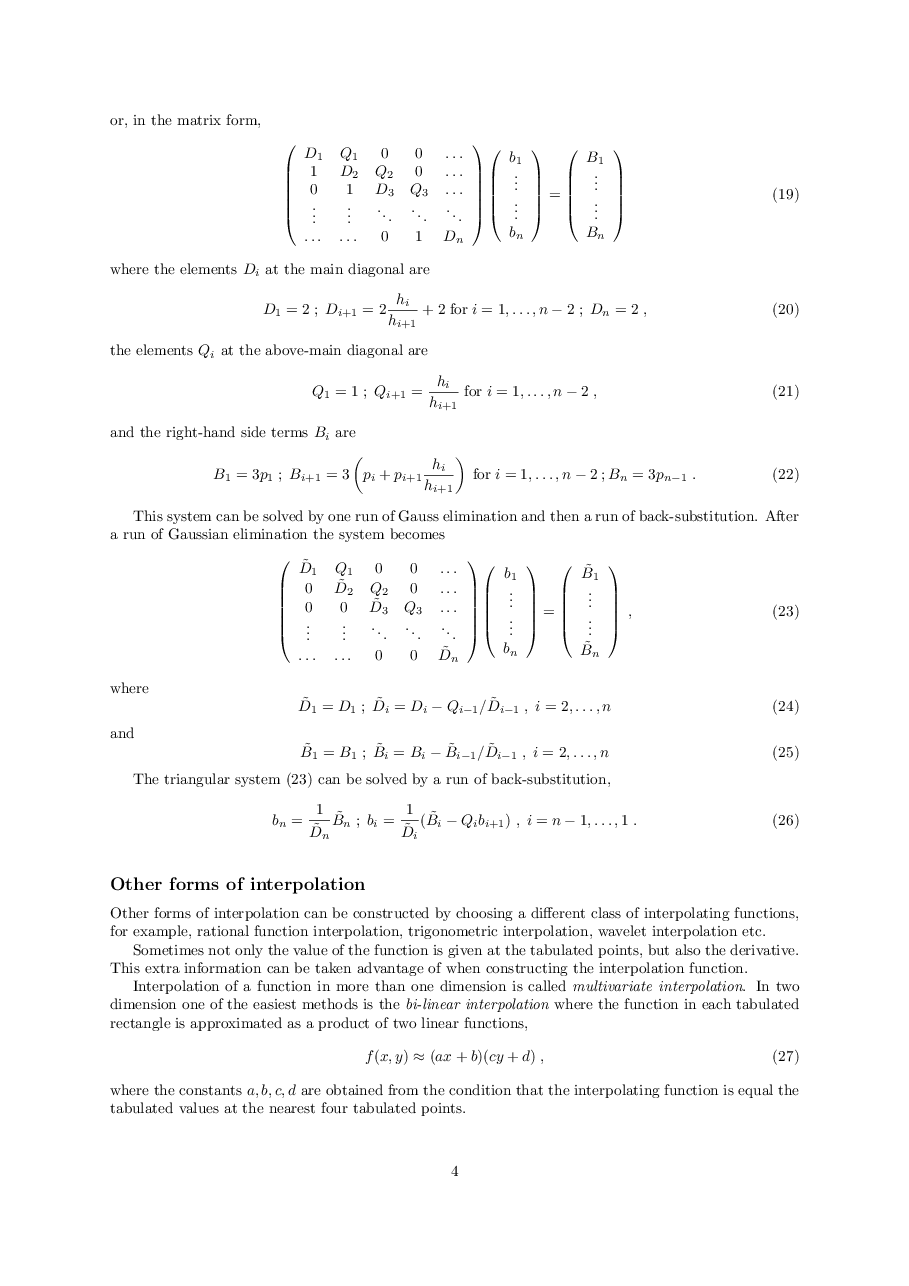
[ pdf;
page1.png; page2.png; page3.png; (June 25 2019)
]
- QR/QL algorithm;
- Jacobi eigenvalue algorithm;
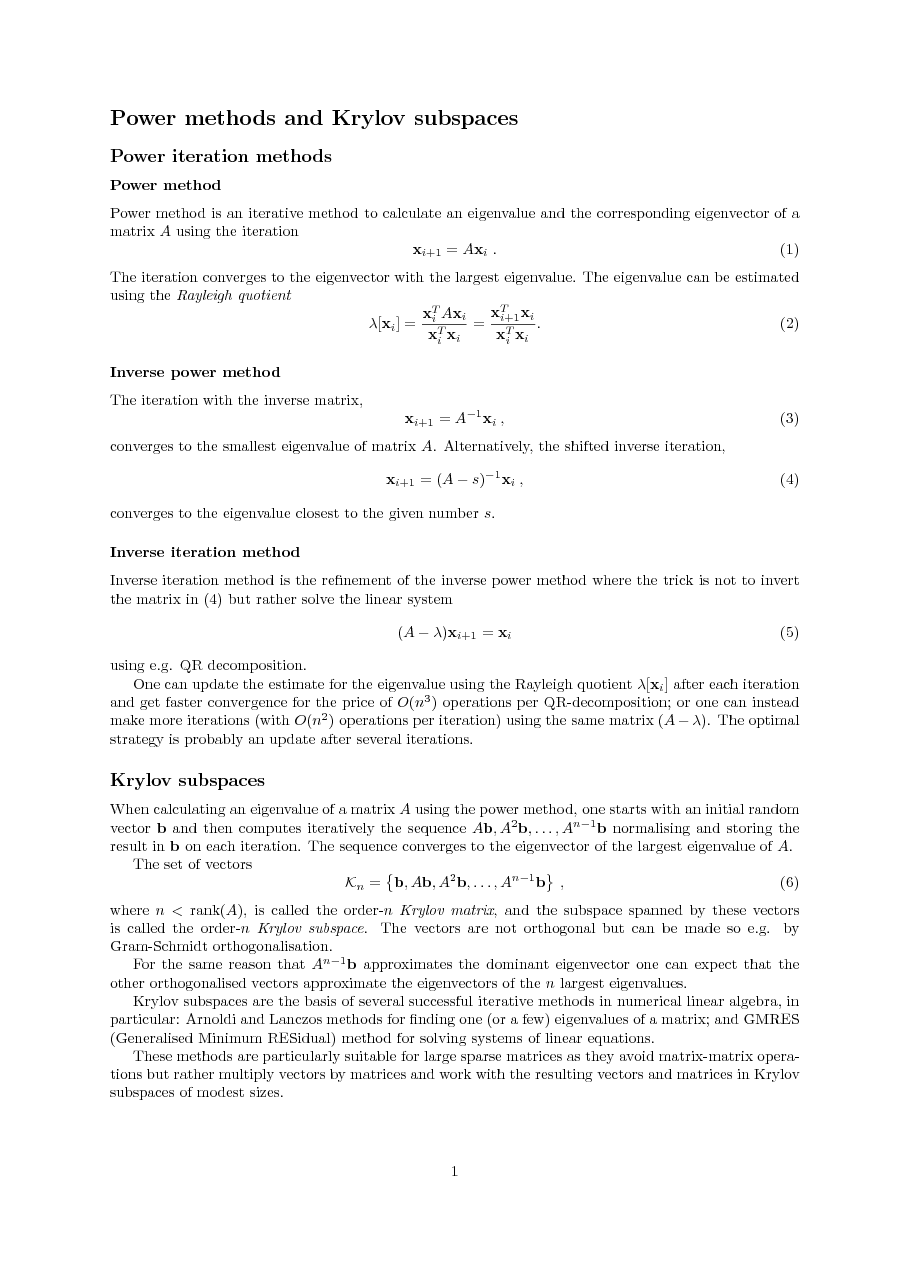
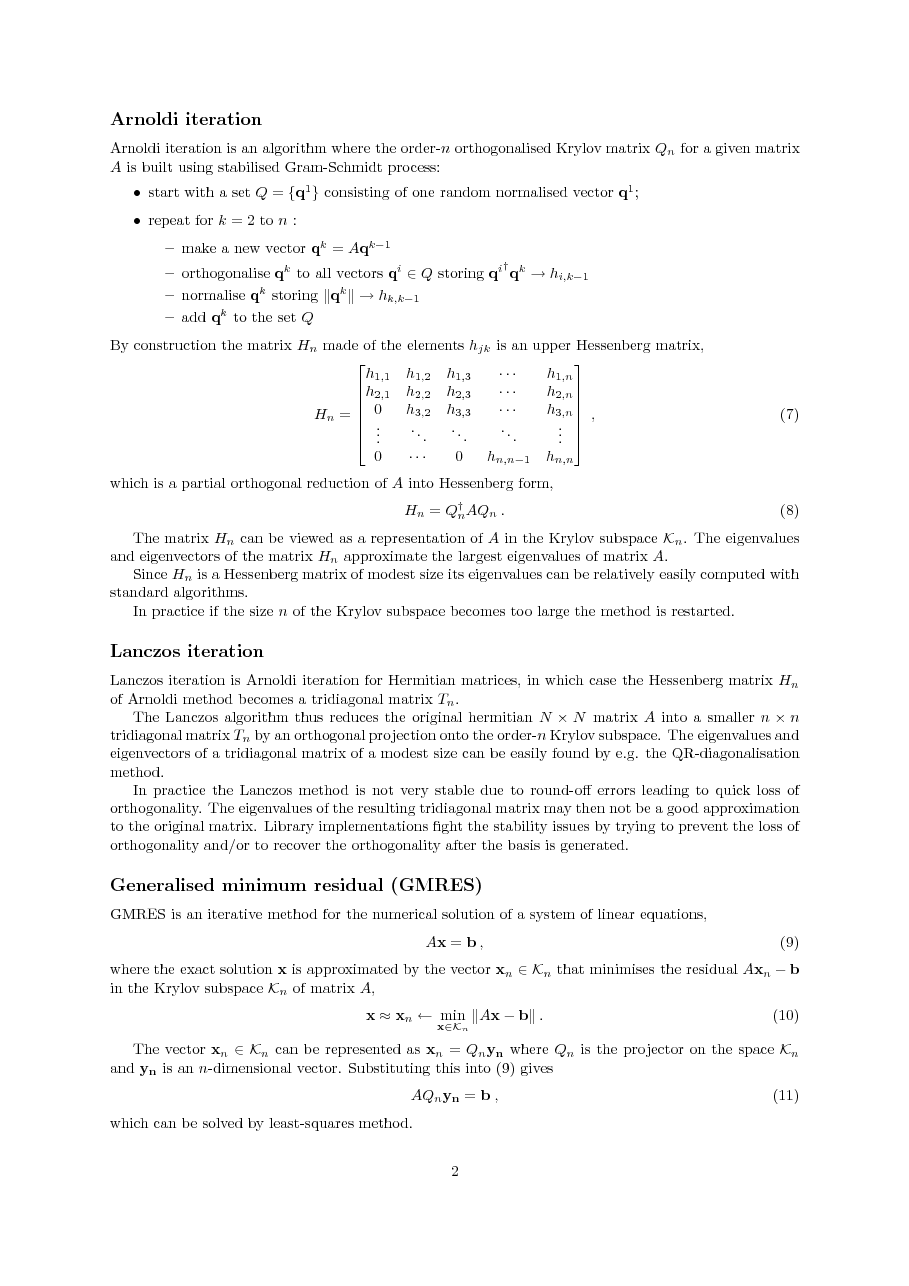
- Eigenvalues 2: Power methods and Krylov subspace methods
[ pdf;
page1.png; page2.png; (June 25 2019)
]
- Power methods; inverse iteration method.
- Arnoldi and Lanczos methods; GMRES (Generalized Minimum RESidual)
method for solving systems of linear equations.
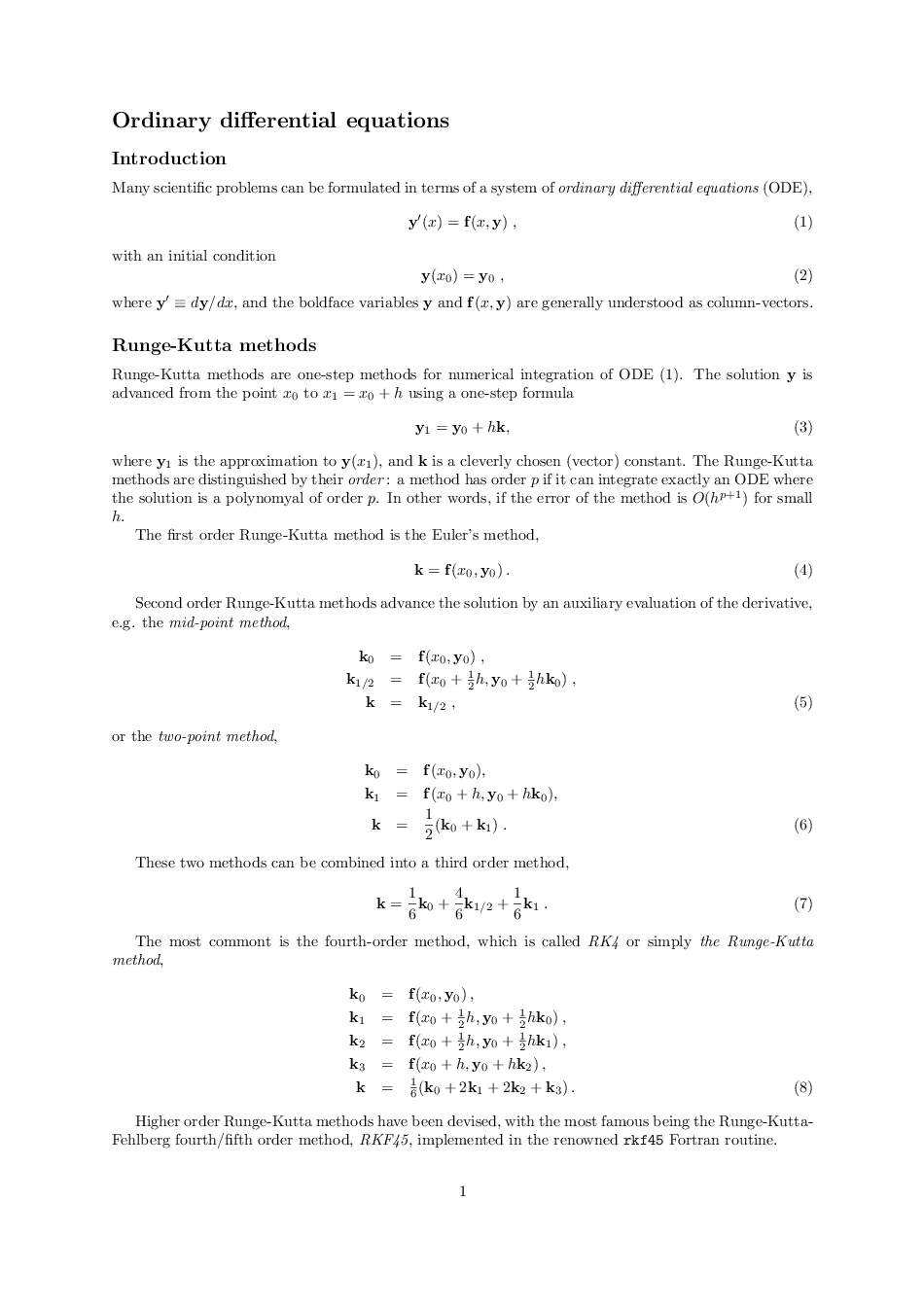
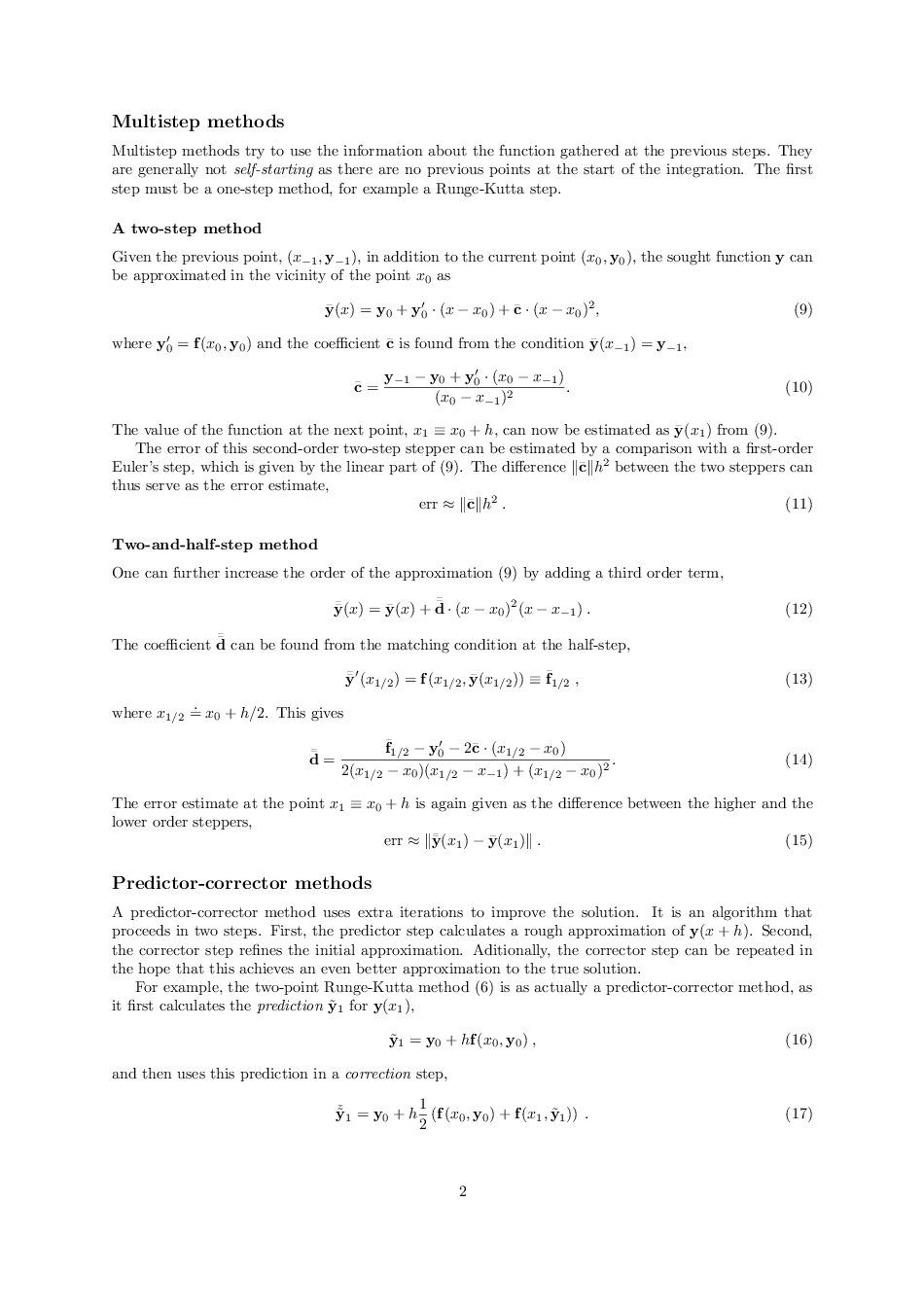
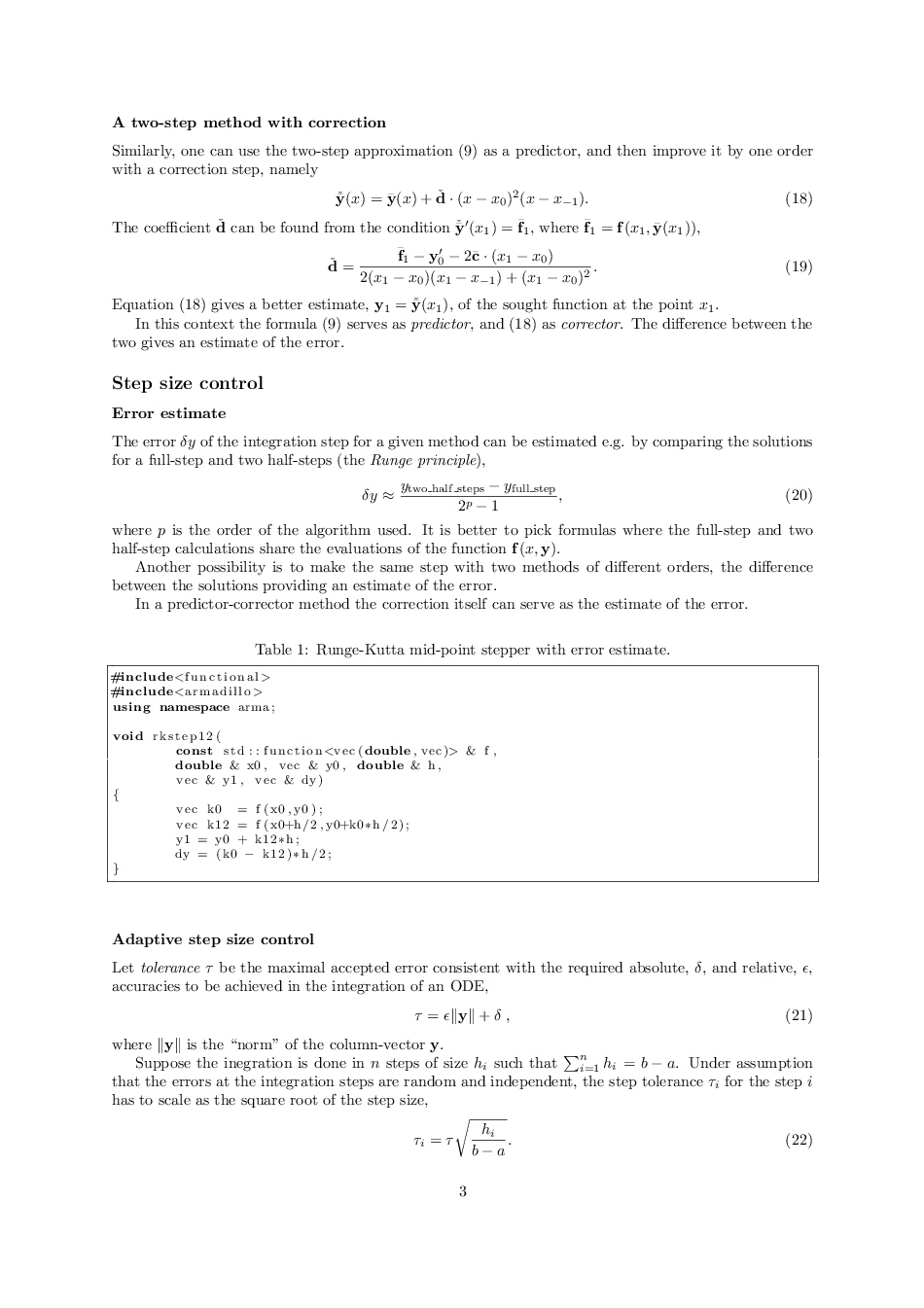
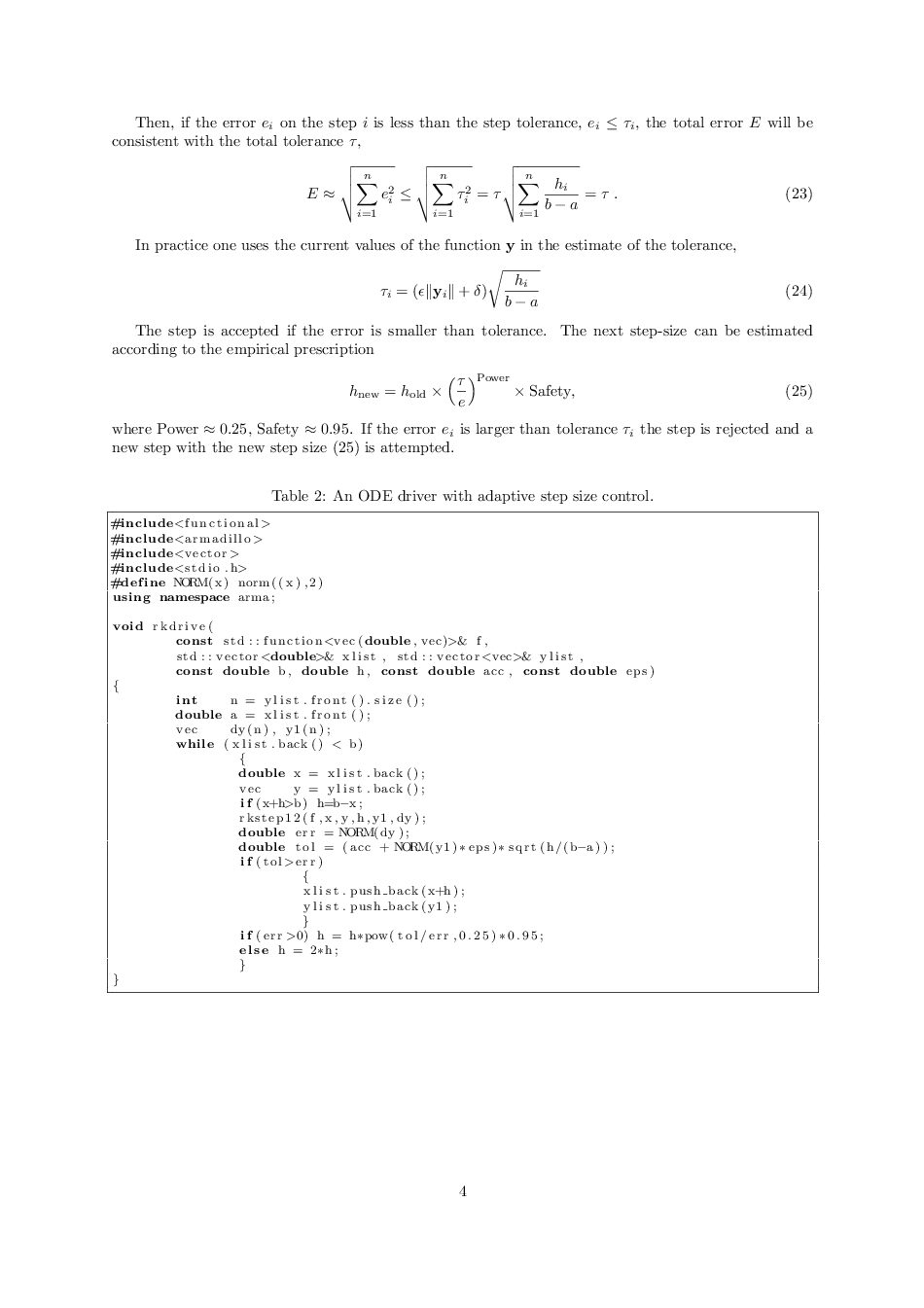
- Ordinary differential equations
[ pdf;
page1.png; page2.png; page3.png; page4.png; (June 25 2019)
]
- One-step (Runge-Kutta) methods; multi-step and predictor-corrector methods;
- Error estimates; adaptive step-size strategy.
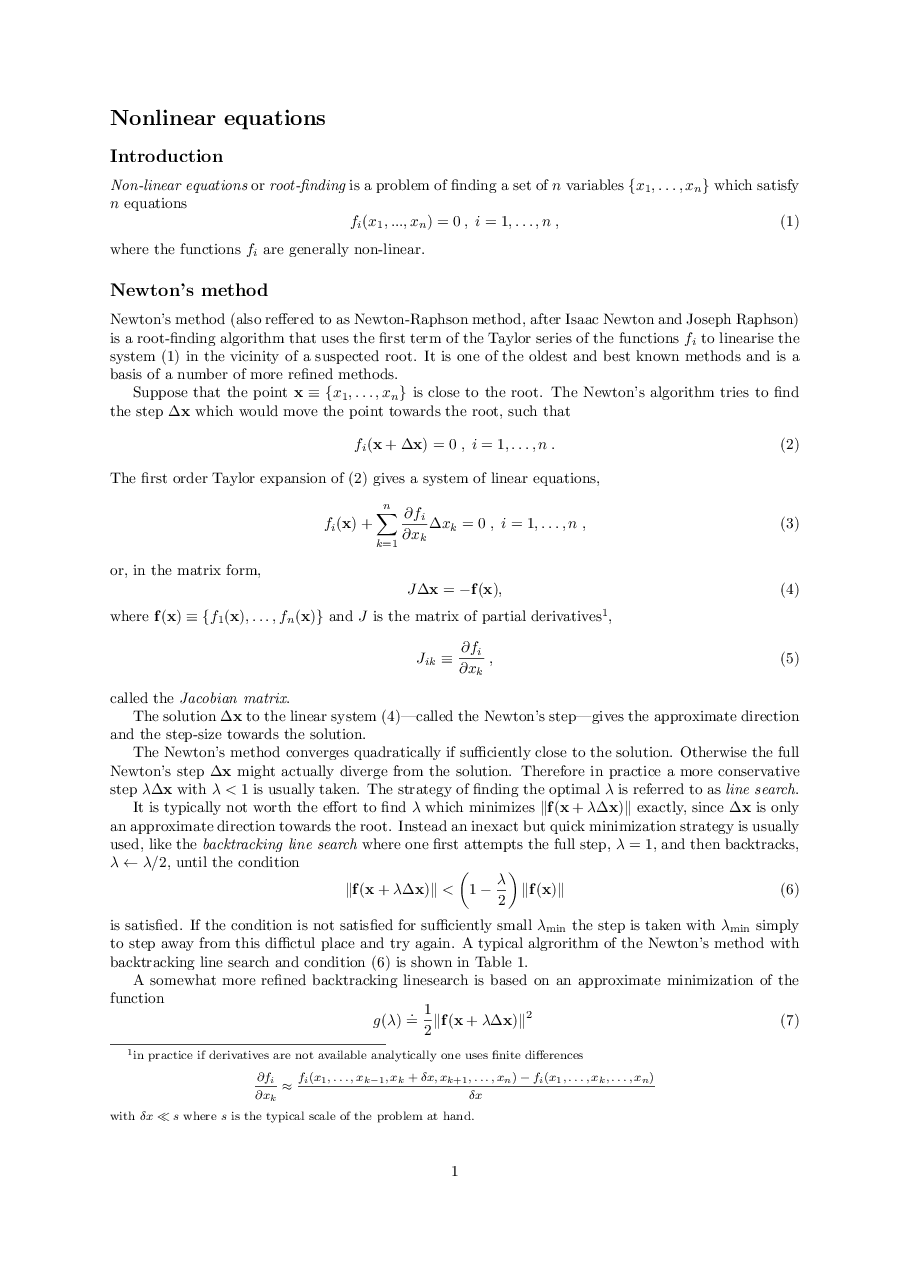
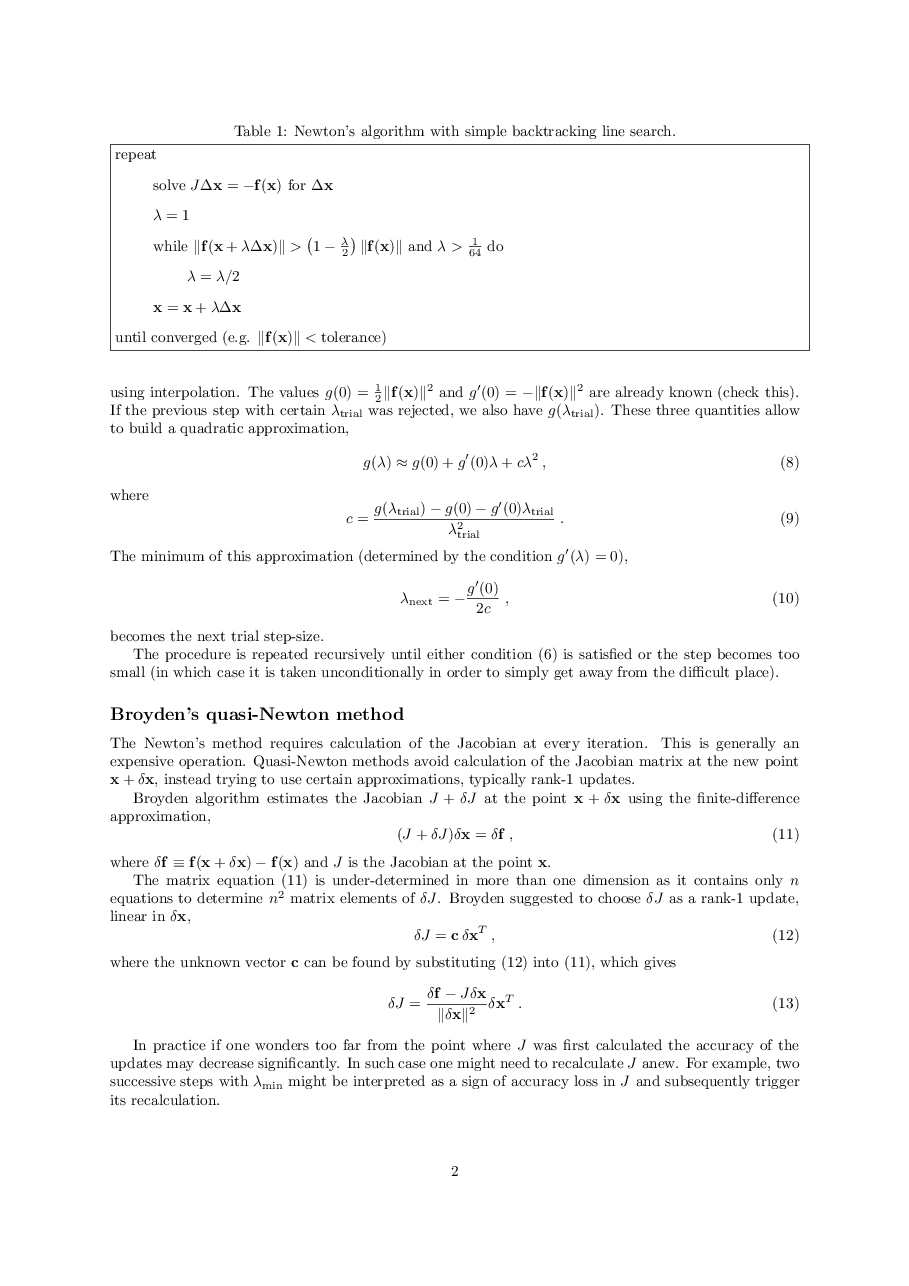
- Nonlinear equations
[ pdf;
page1.png; page2.png; page3.png; (June 25 2019)
]
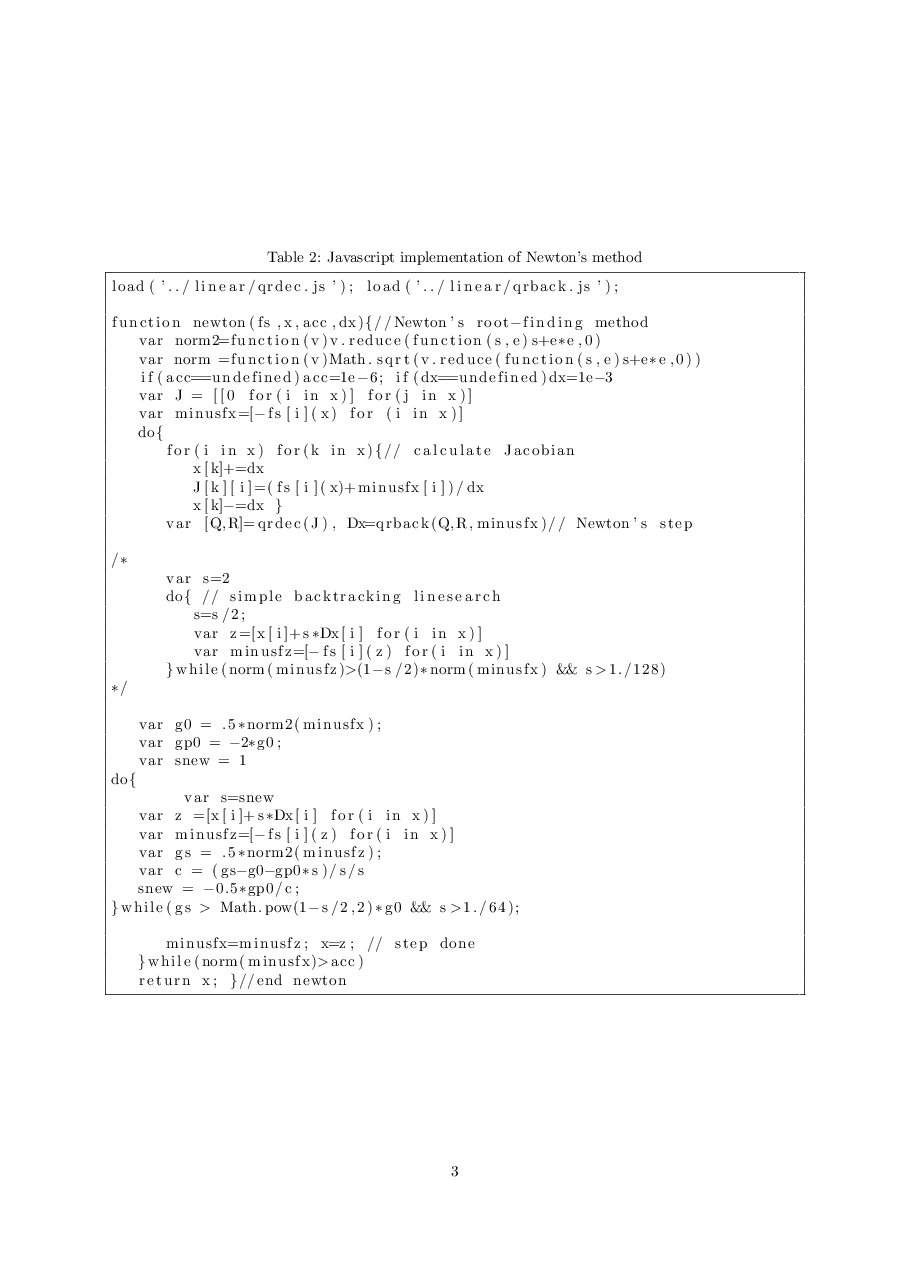
- Modified Newton's method;
- Broyden's quasi-Newton's method.
- Multidimensional Minimization
[ pdf;
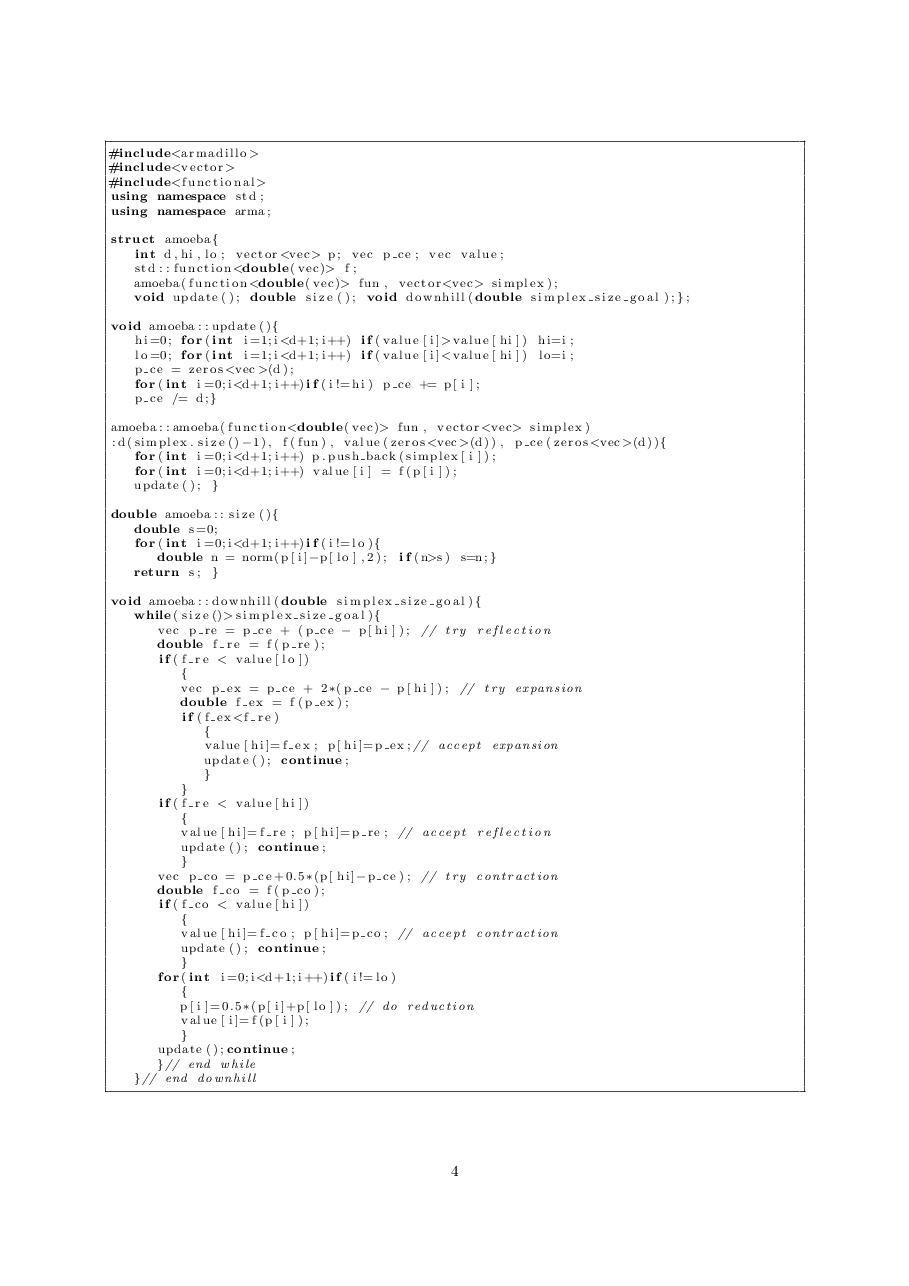
page1.png; page2.png; page3.png; page4.png; (June 25 2019)
]
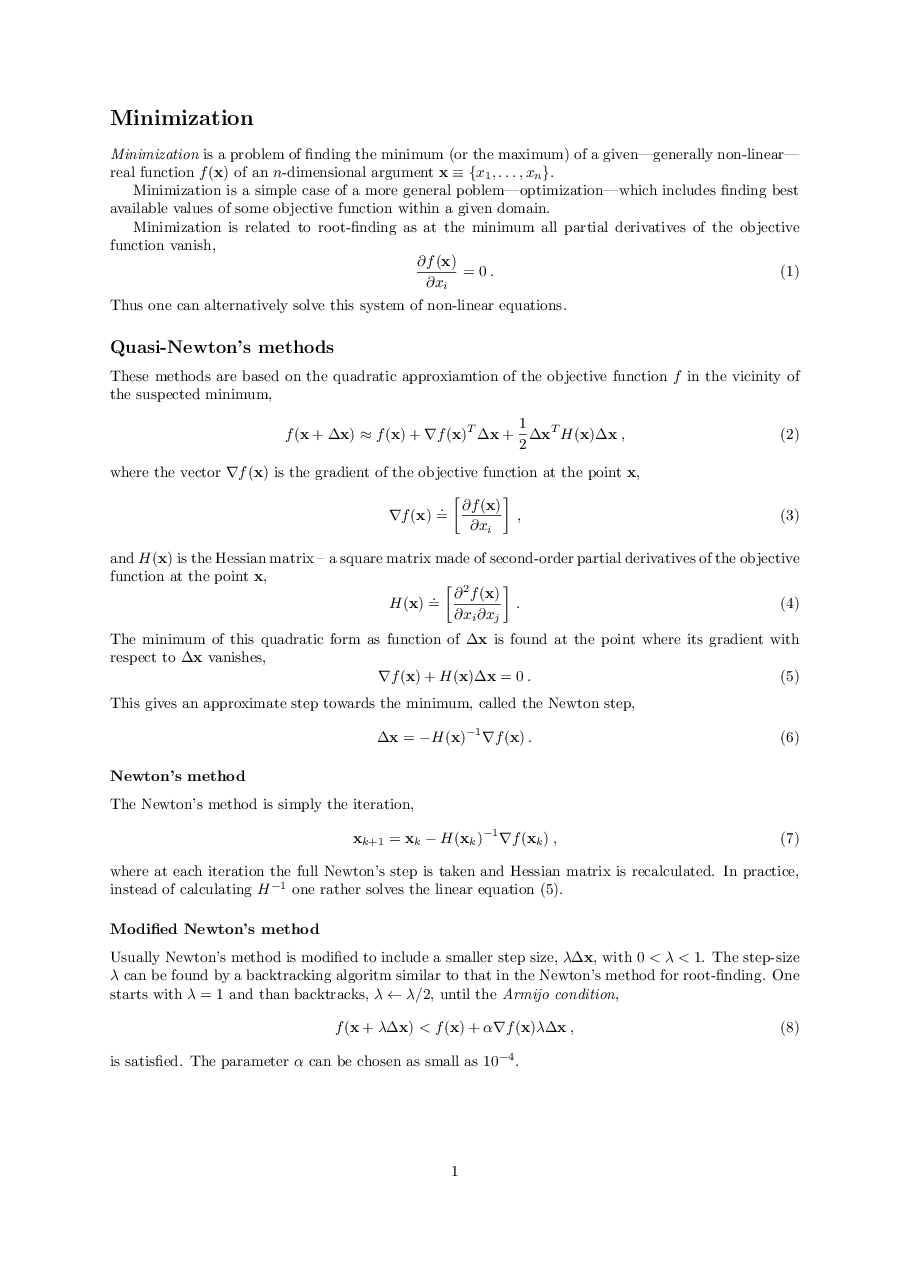
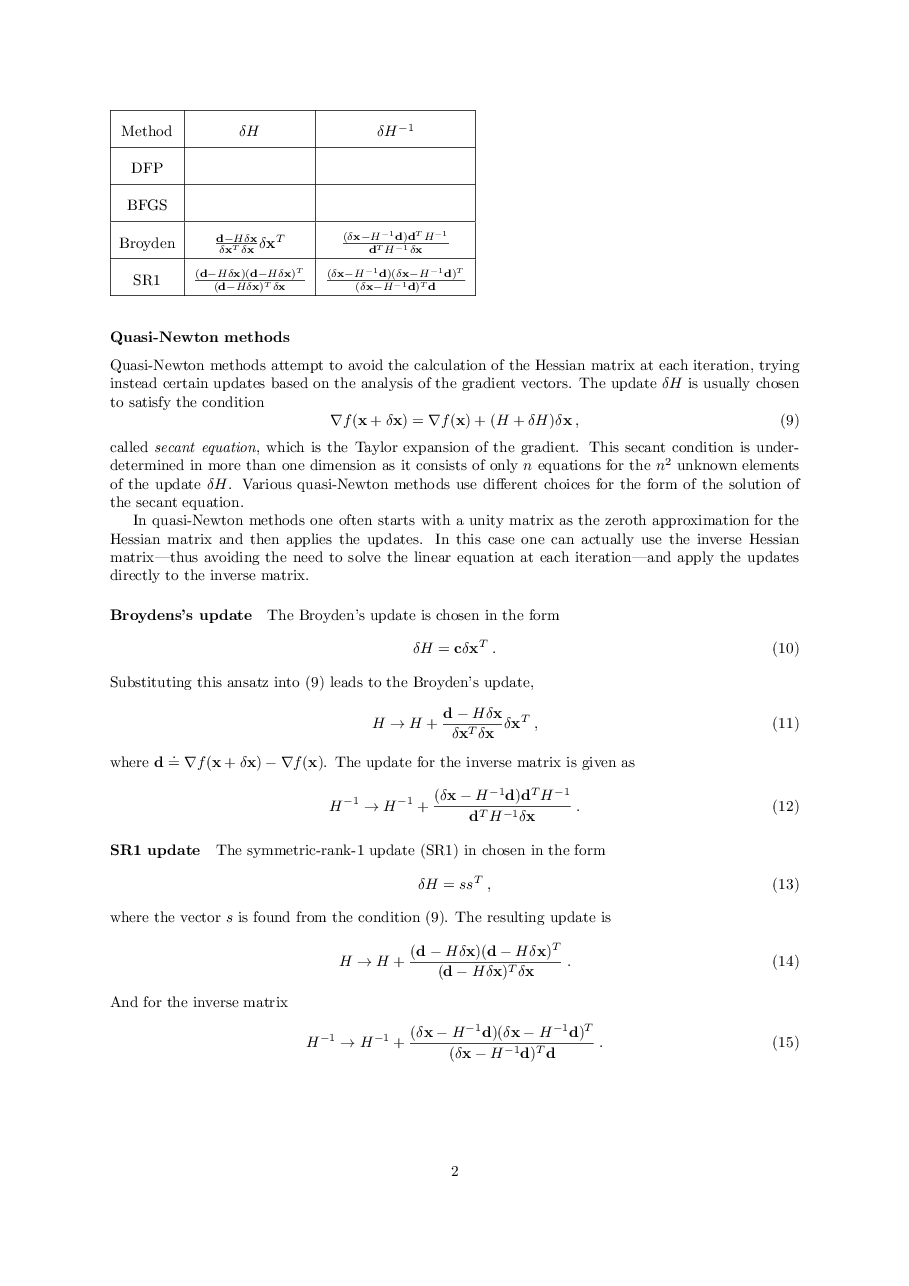
- Newton's method. Quasi-Newton's methods: Broyden's and SR1 updates;
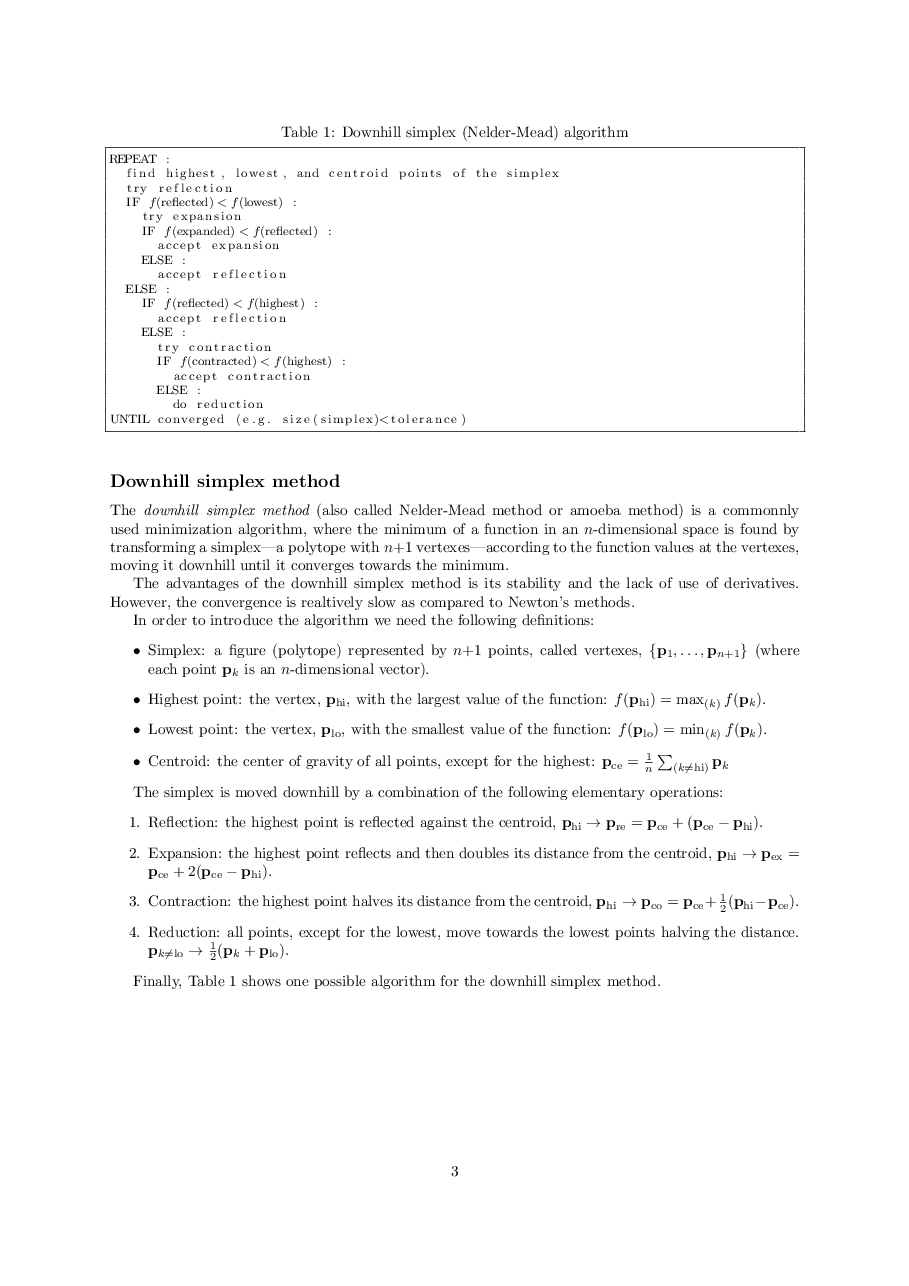
- Downhill simplex method.
- Numerical integration (quadratures)
[ pdf;
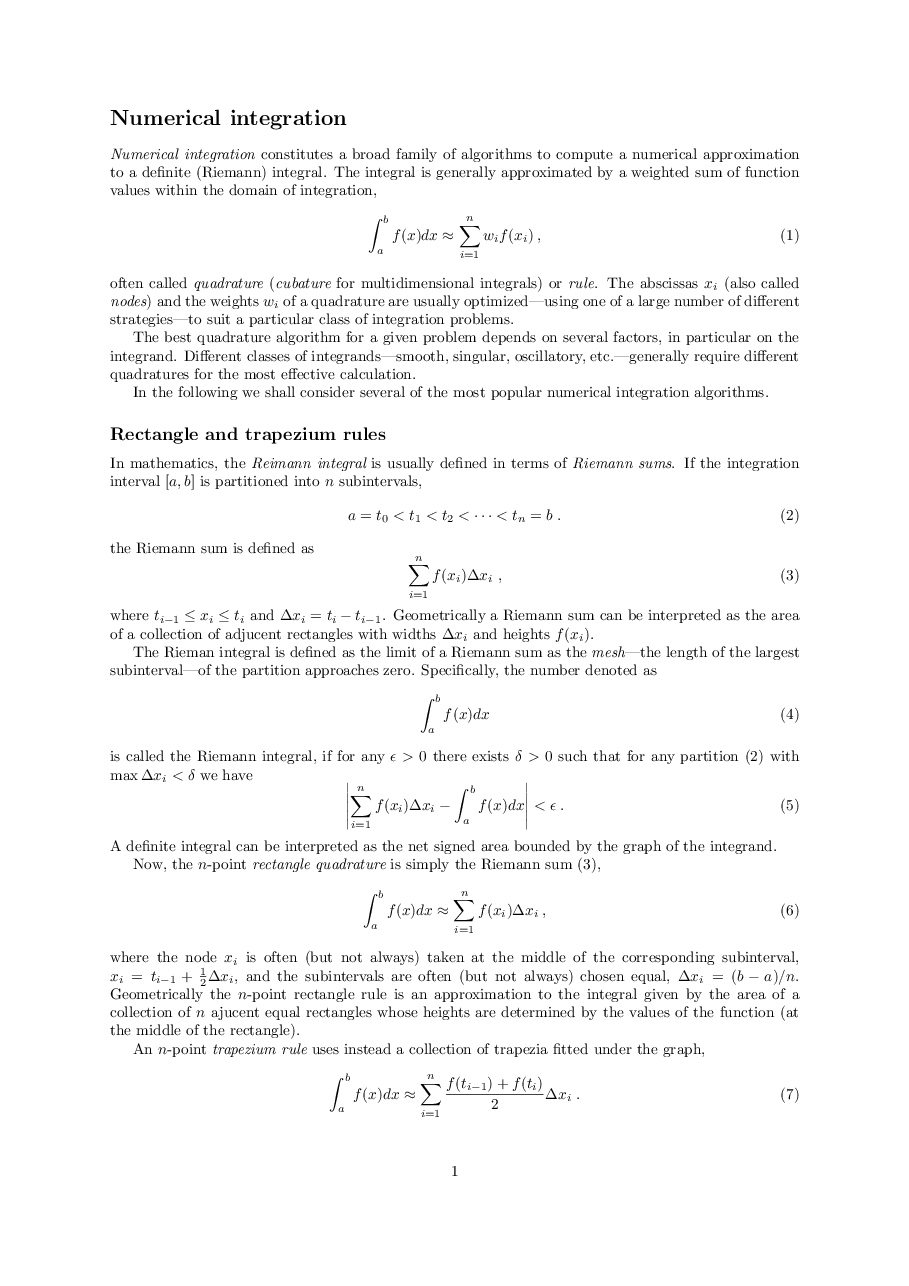
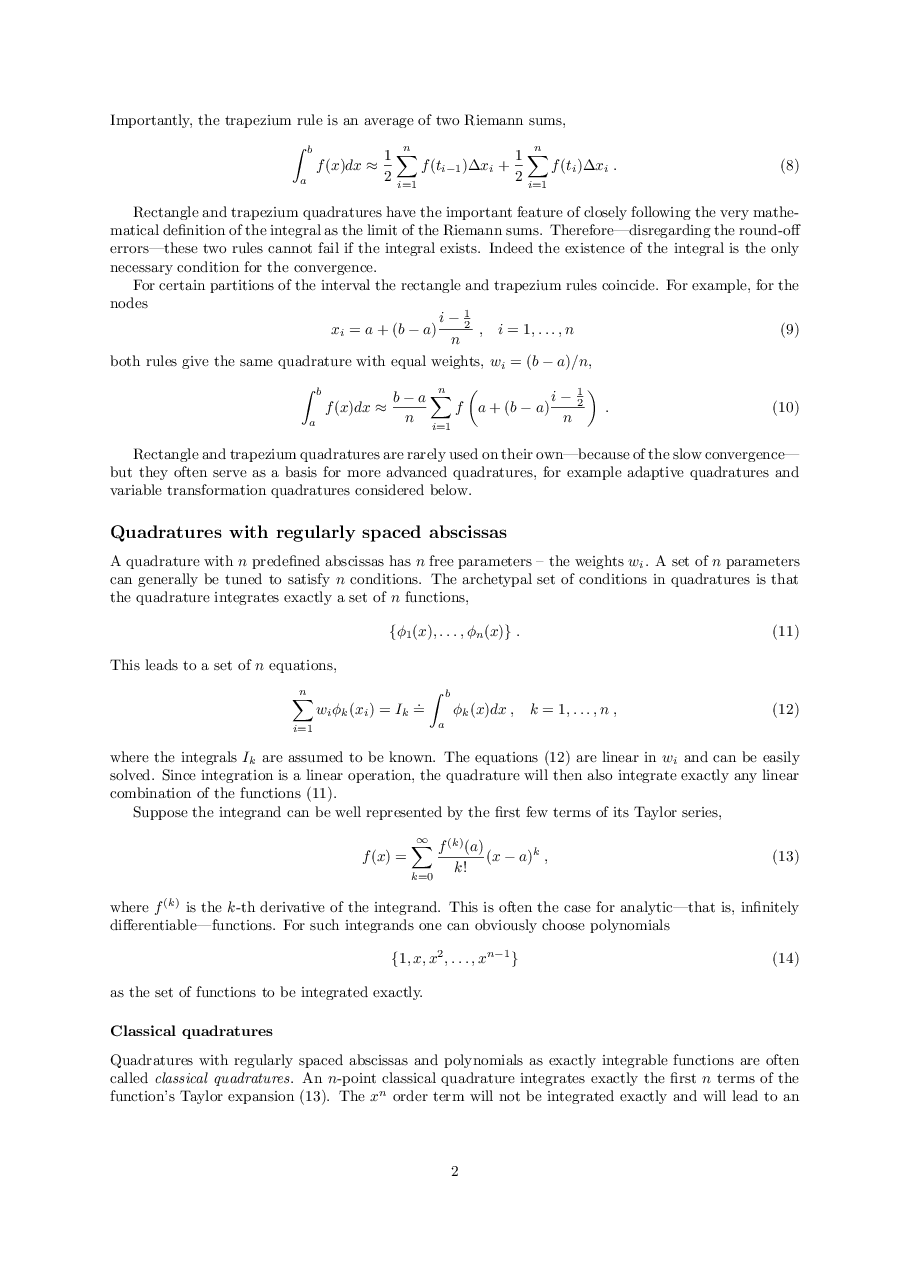
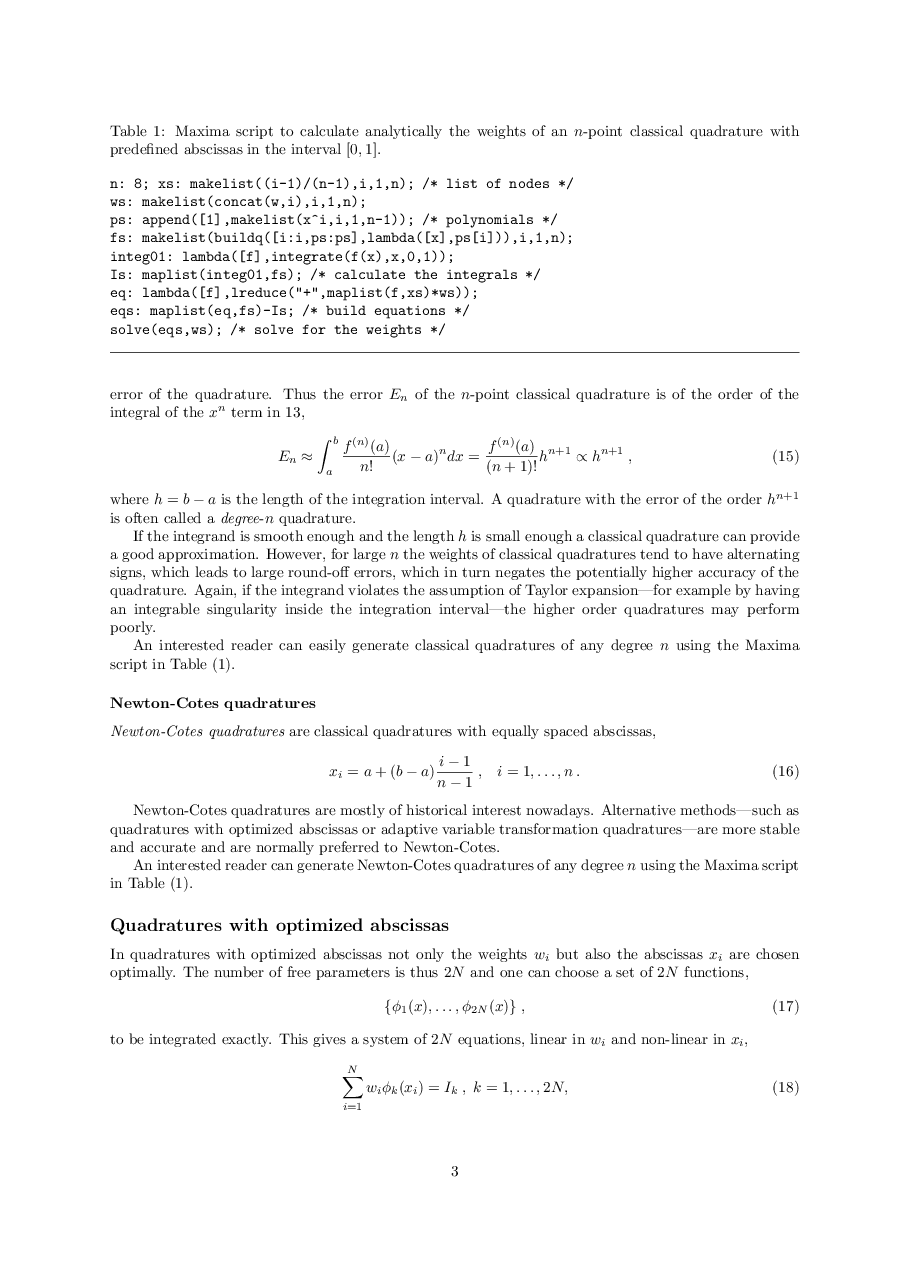
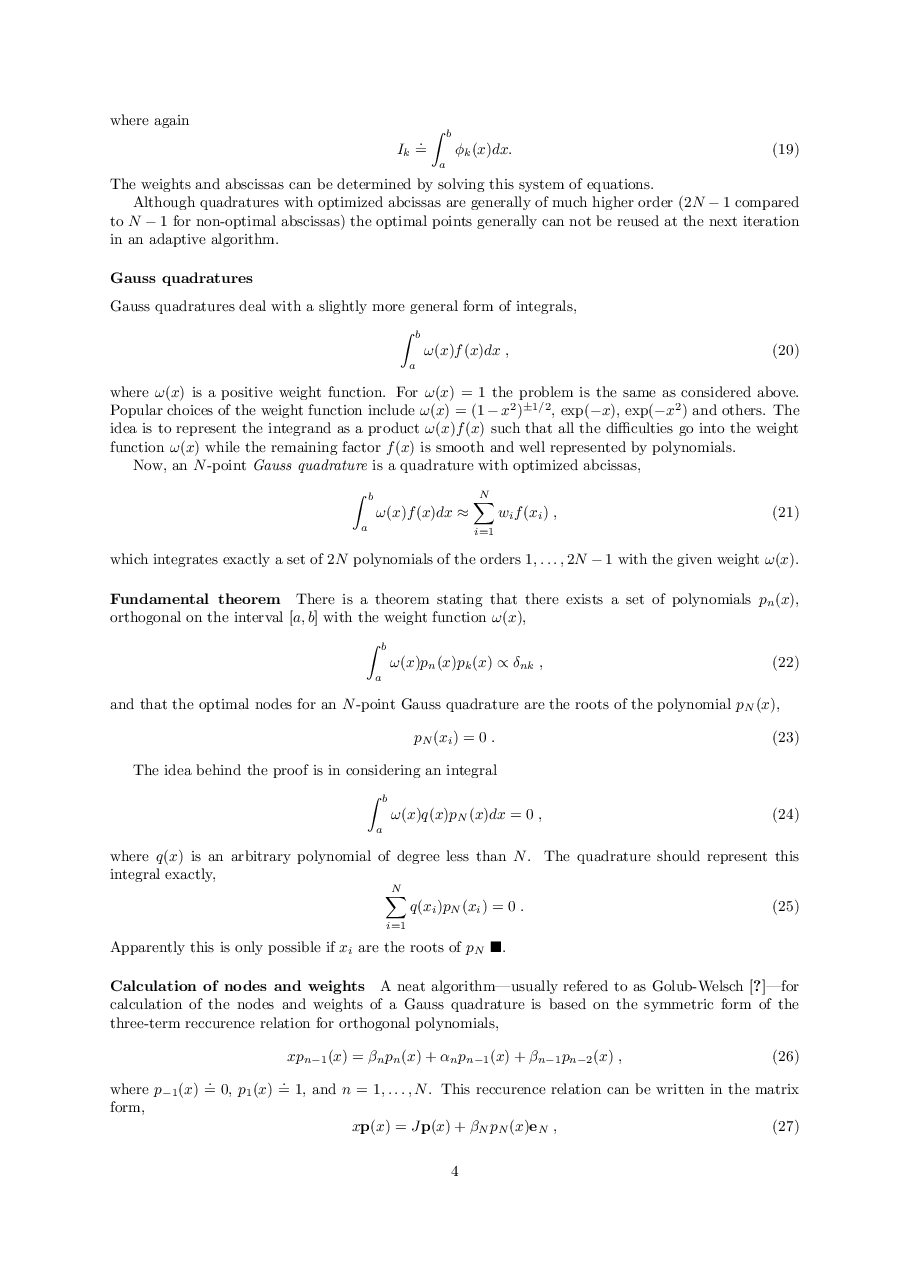
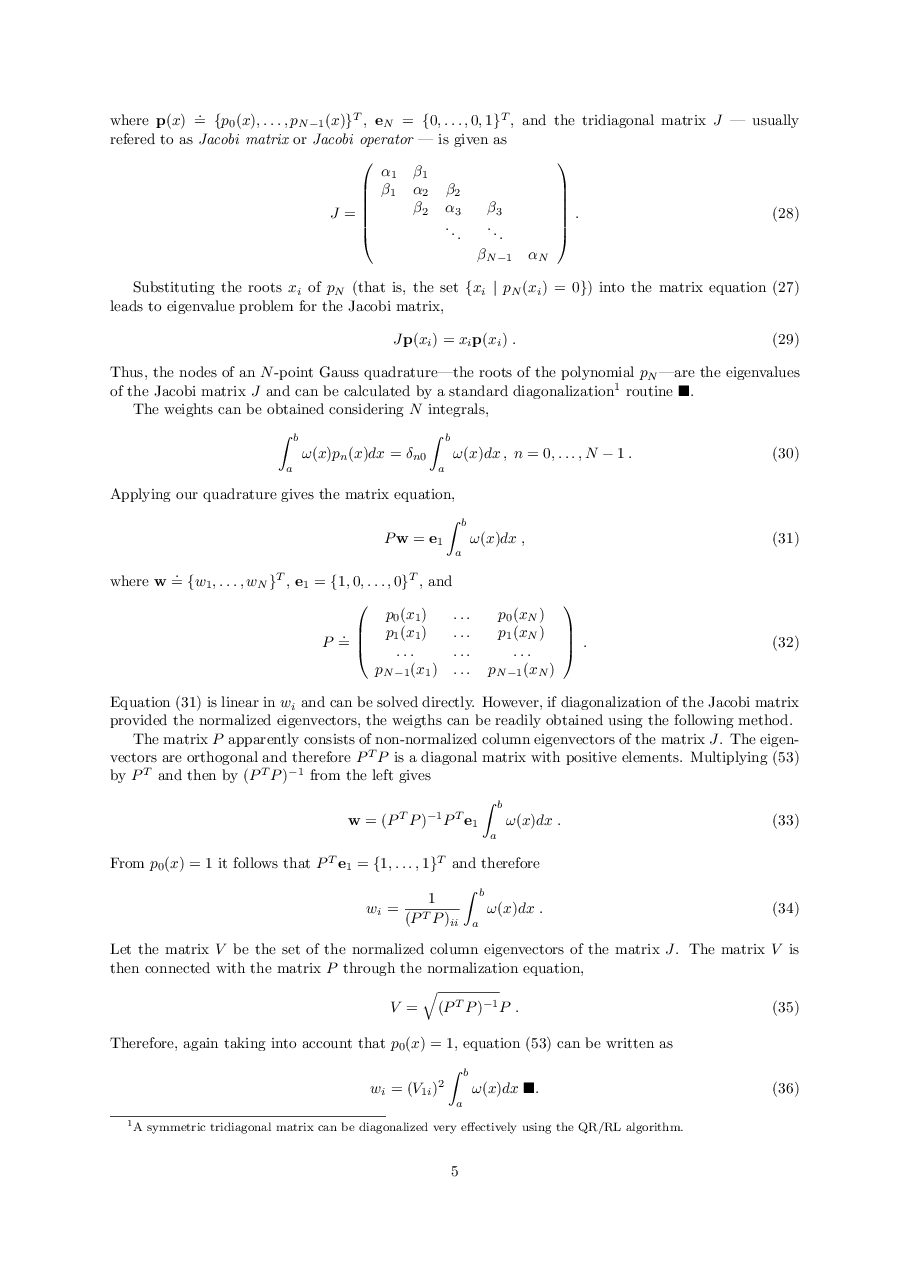
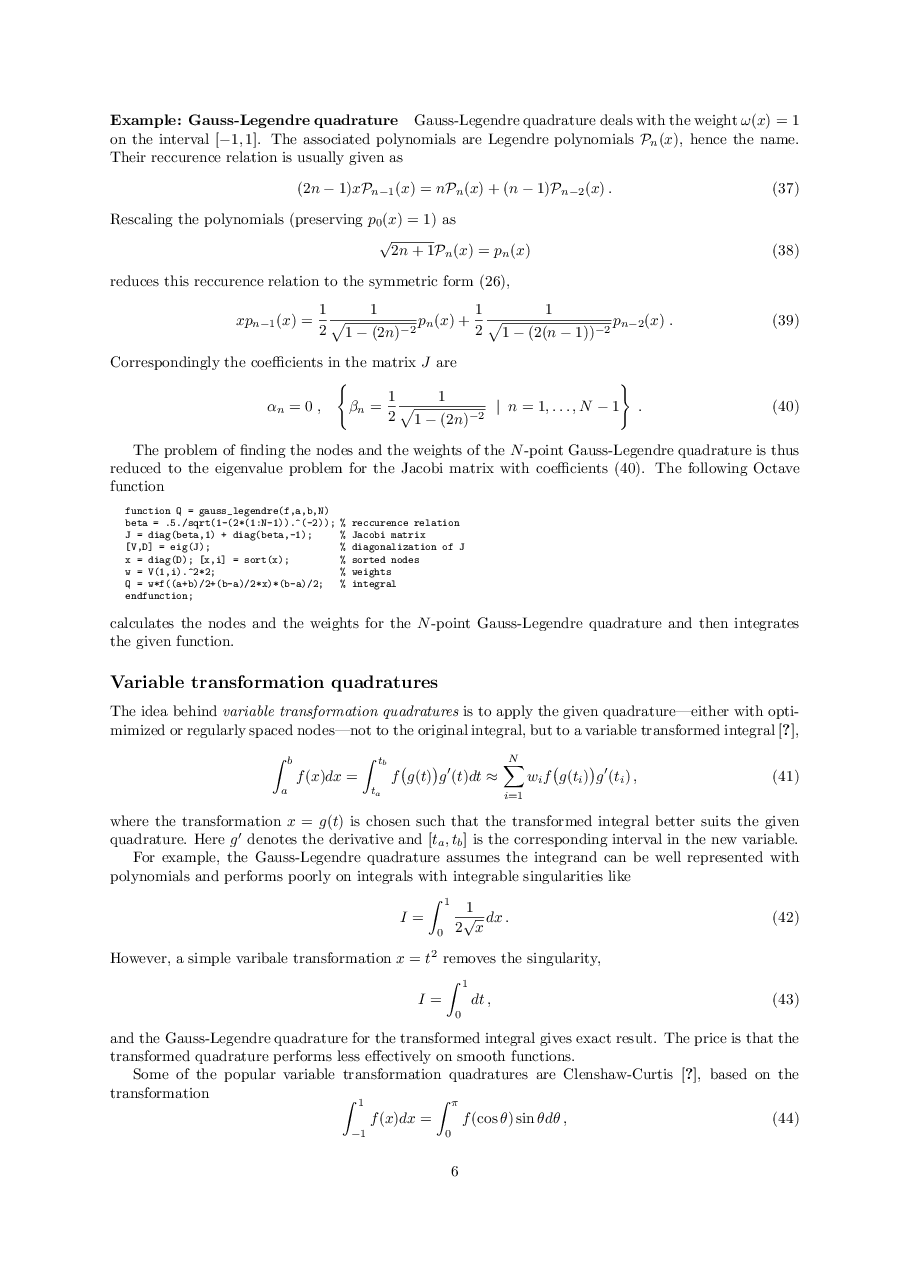
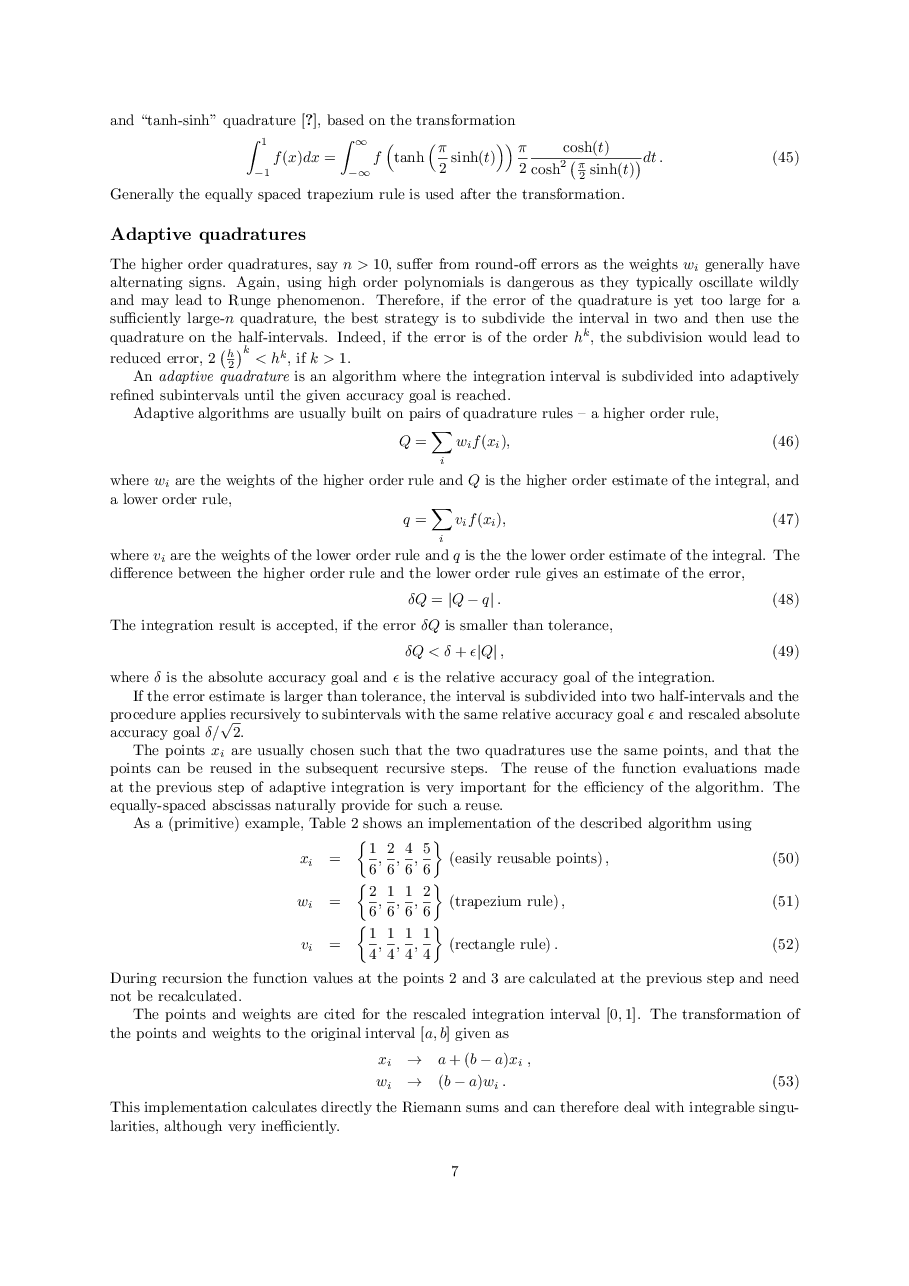
page1.png; page2.png; page3.png; page4.png; page5.png; page6.png; page7.png; page8.png; page9.png; (June 25 2019)
]
- Riemann sums: rectangle and trapezium rules;
- Quadratures with equally spaced abscissas (Newton-Cotes);
- Quadratures with optimized abscissas (Gauss);
- Numerical integration 2
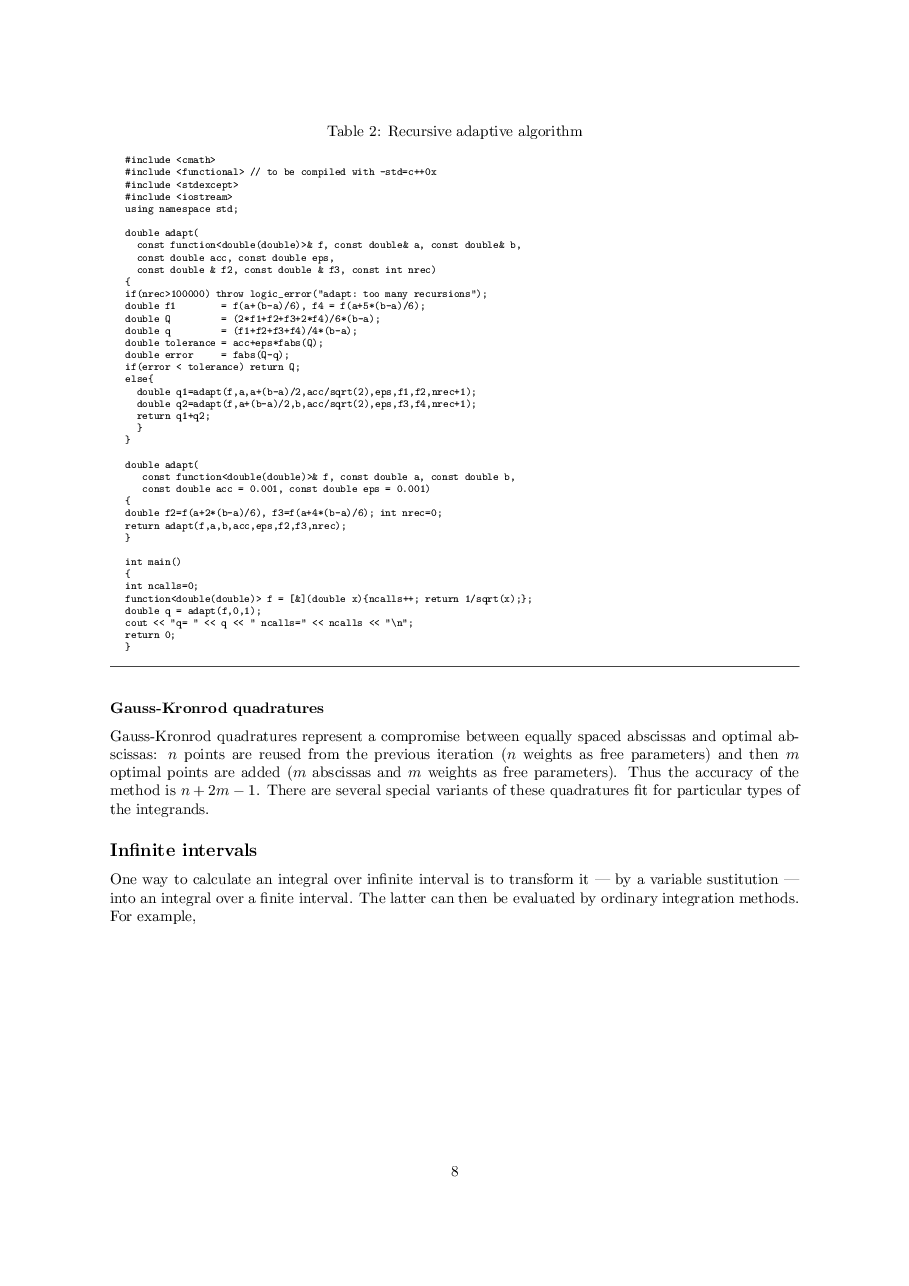
- Adaptive algorithms with equally spaced abscissas;
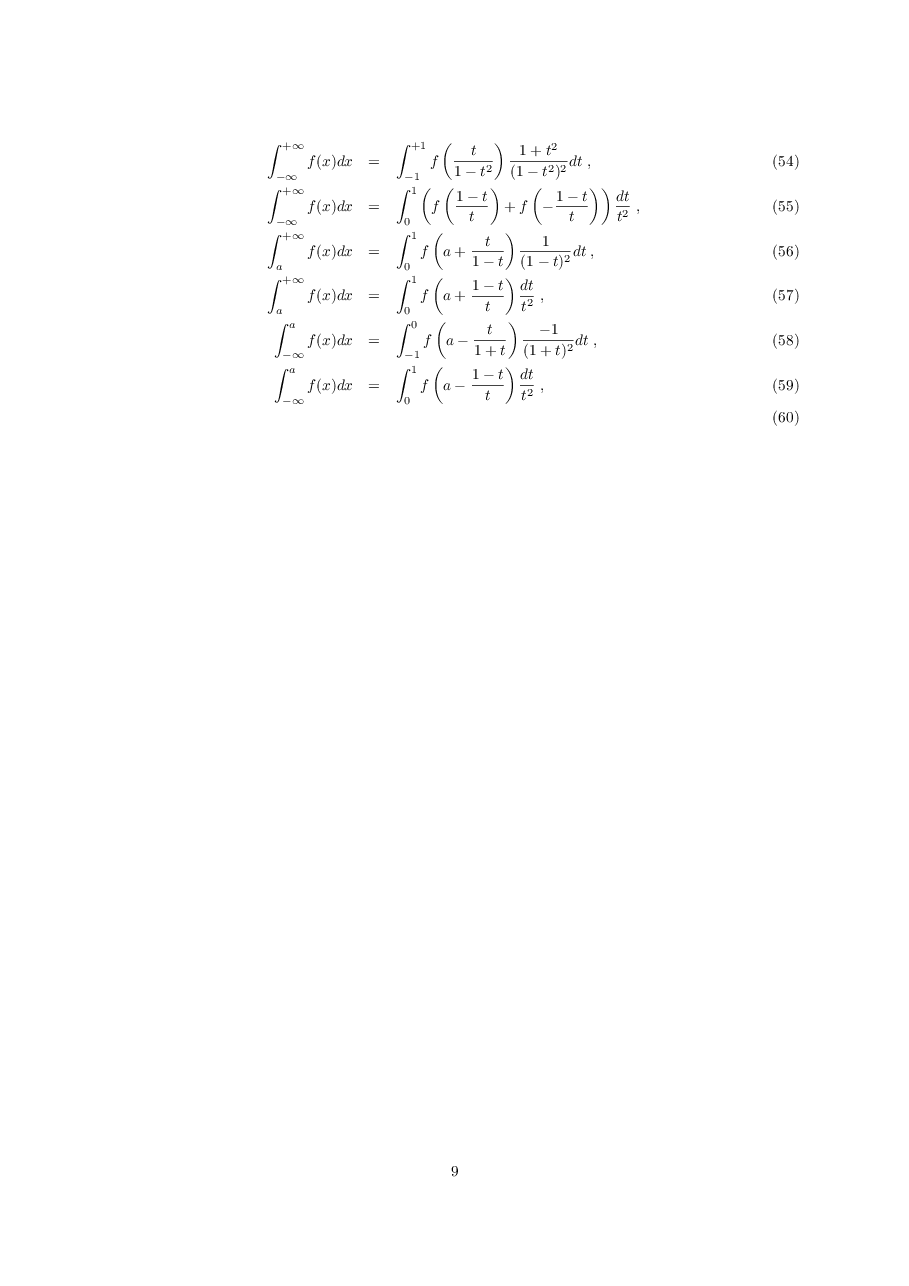
- Gauss-Kronrod quadratures.
- Variable substitution quadratures.
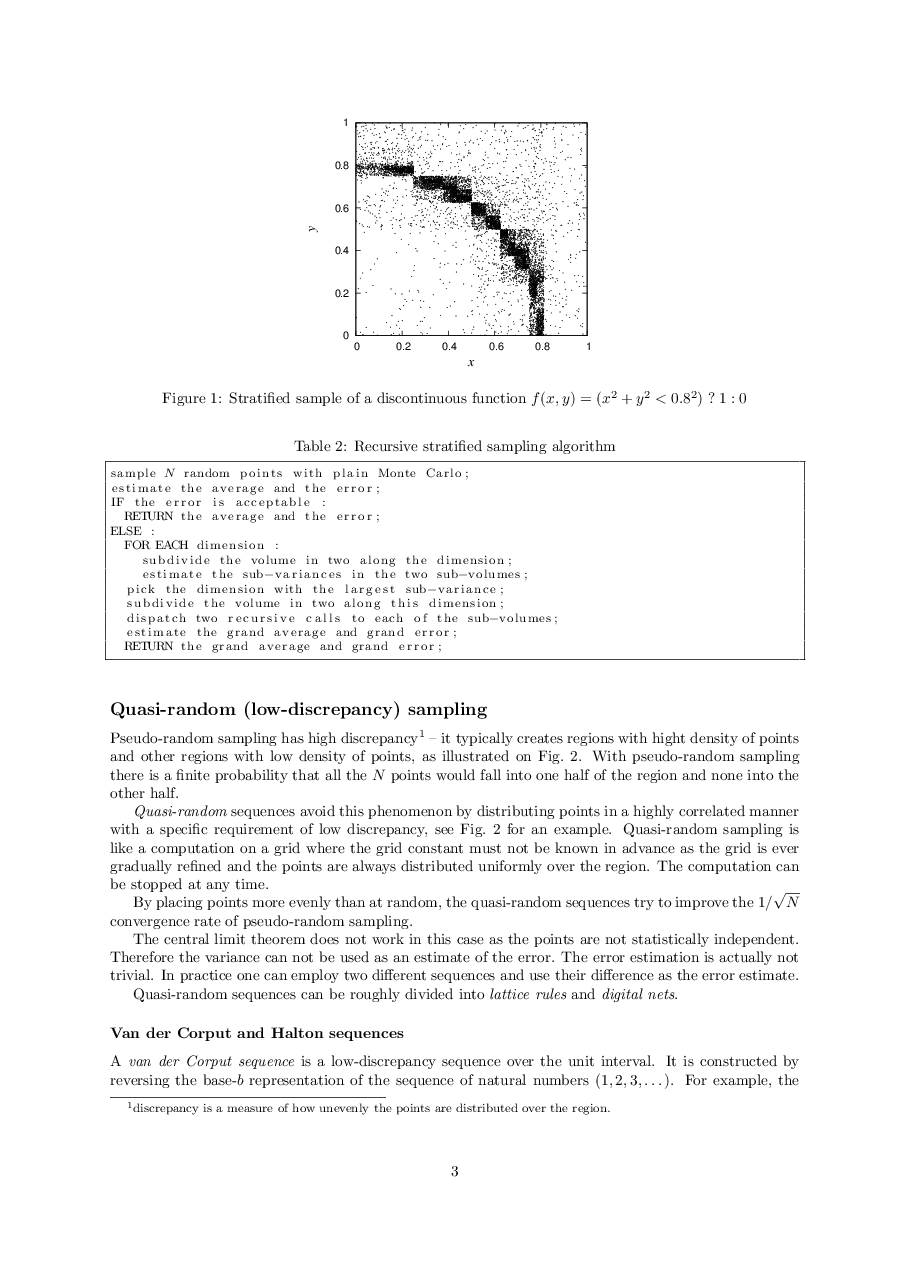
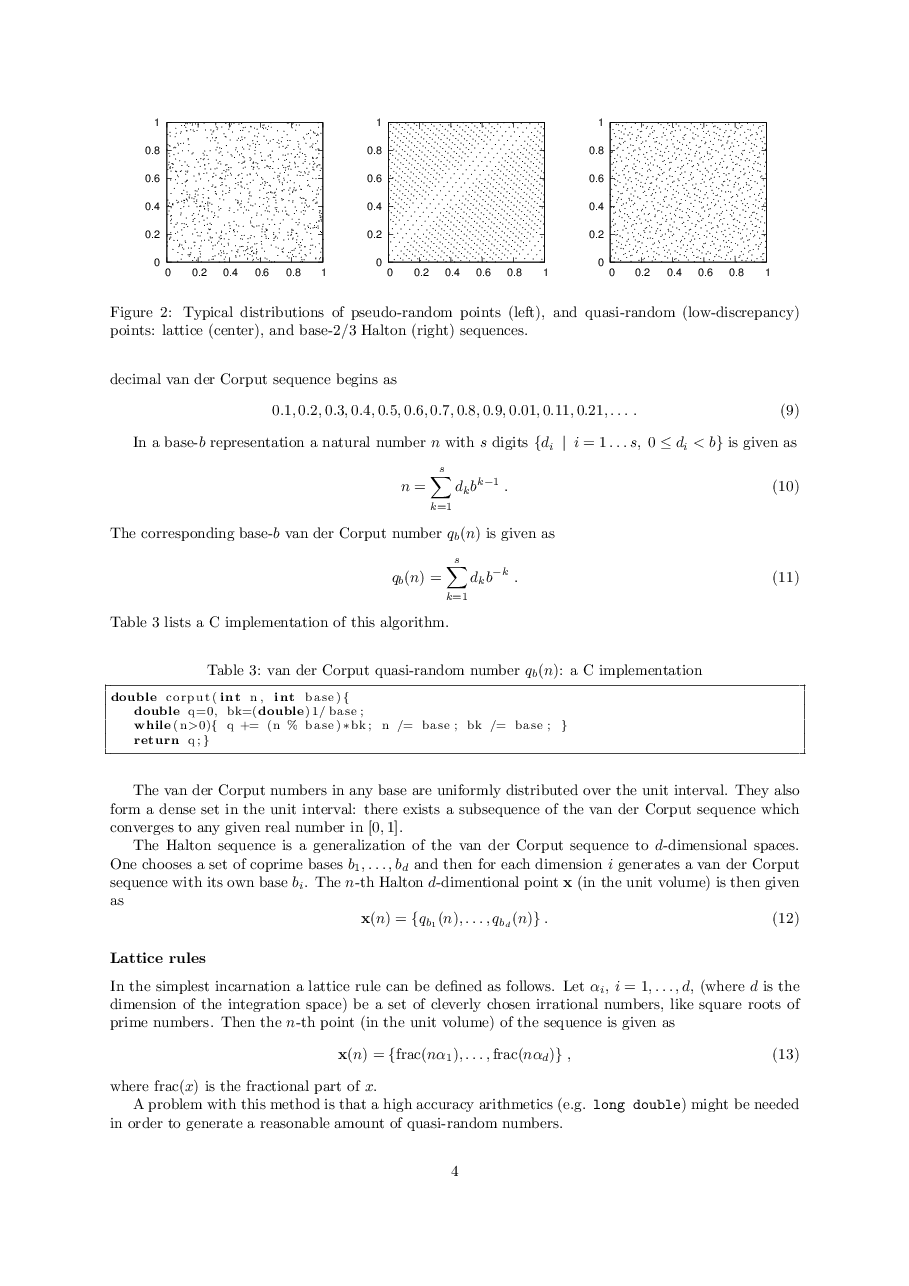
- Monte Carlo integration
[ pdf;
page1.png; page2.png; page3.png; page4.png; (June 25 2019)
]
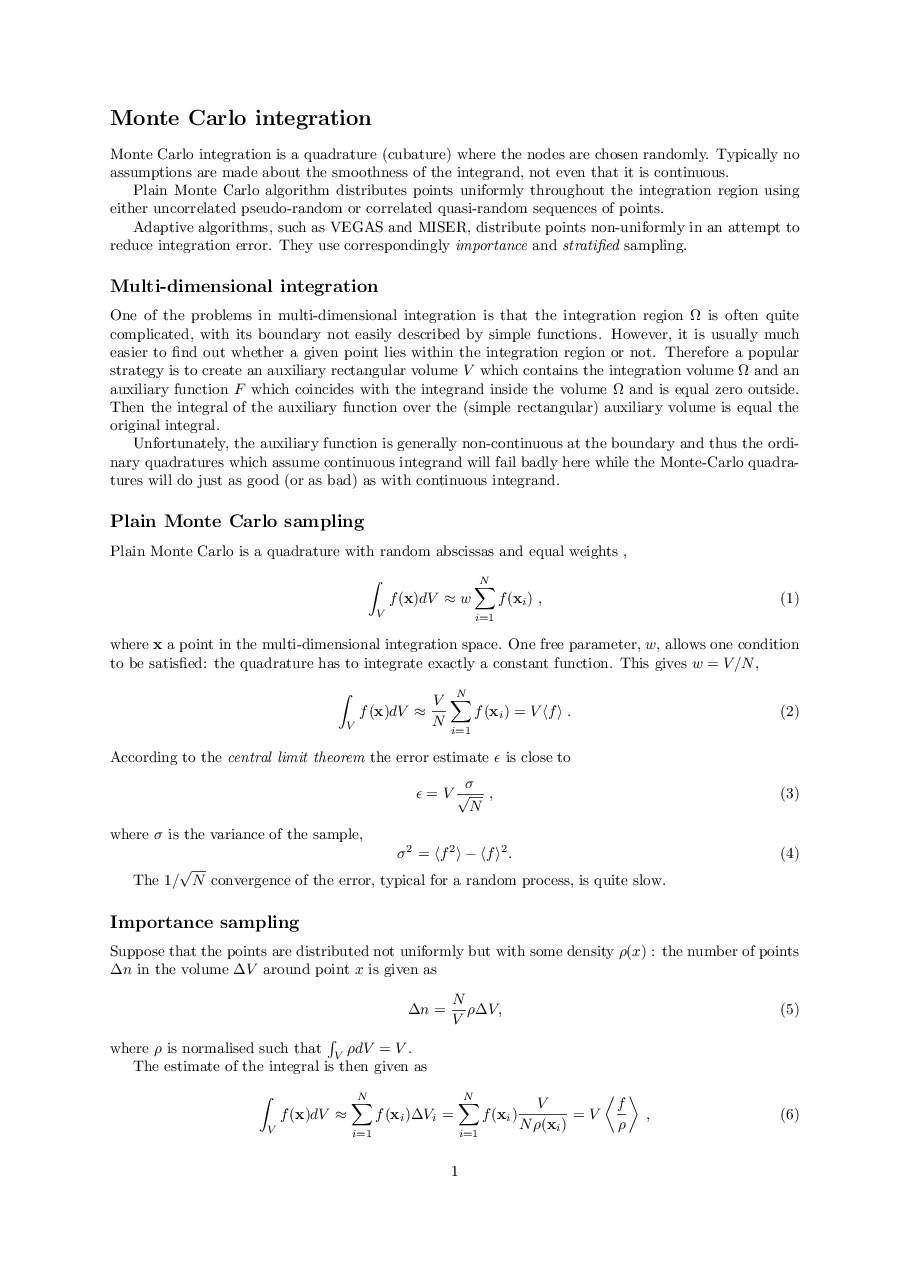
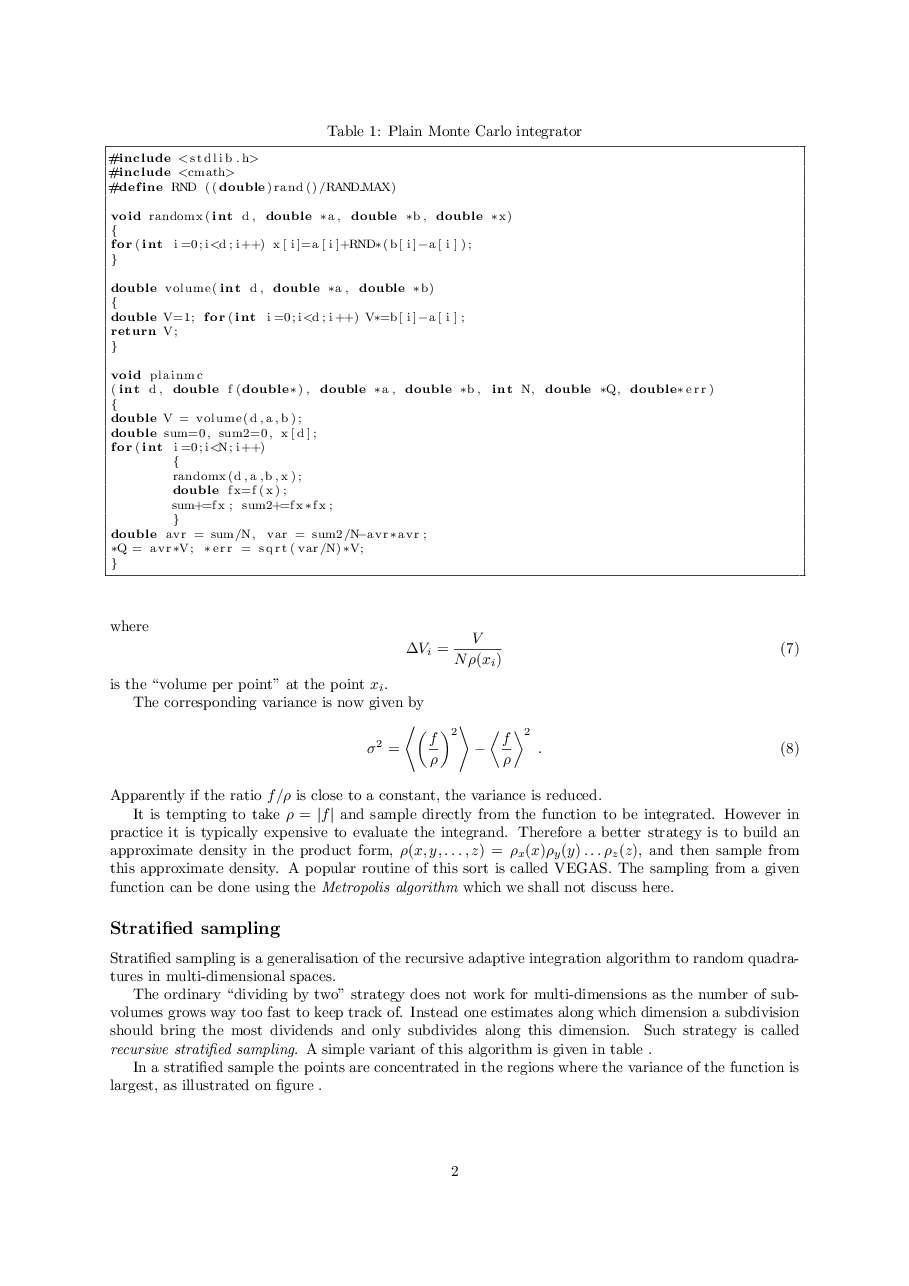
- Plain Monte Carlo integration;
- Importance sampling;
Stratified sampling;
- Quasi-random numbers:
van der Corput and Halton sequences.
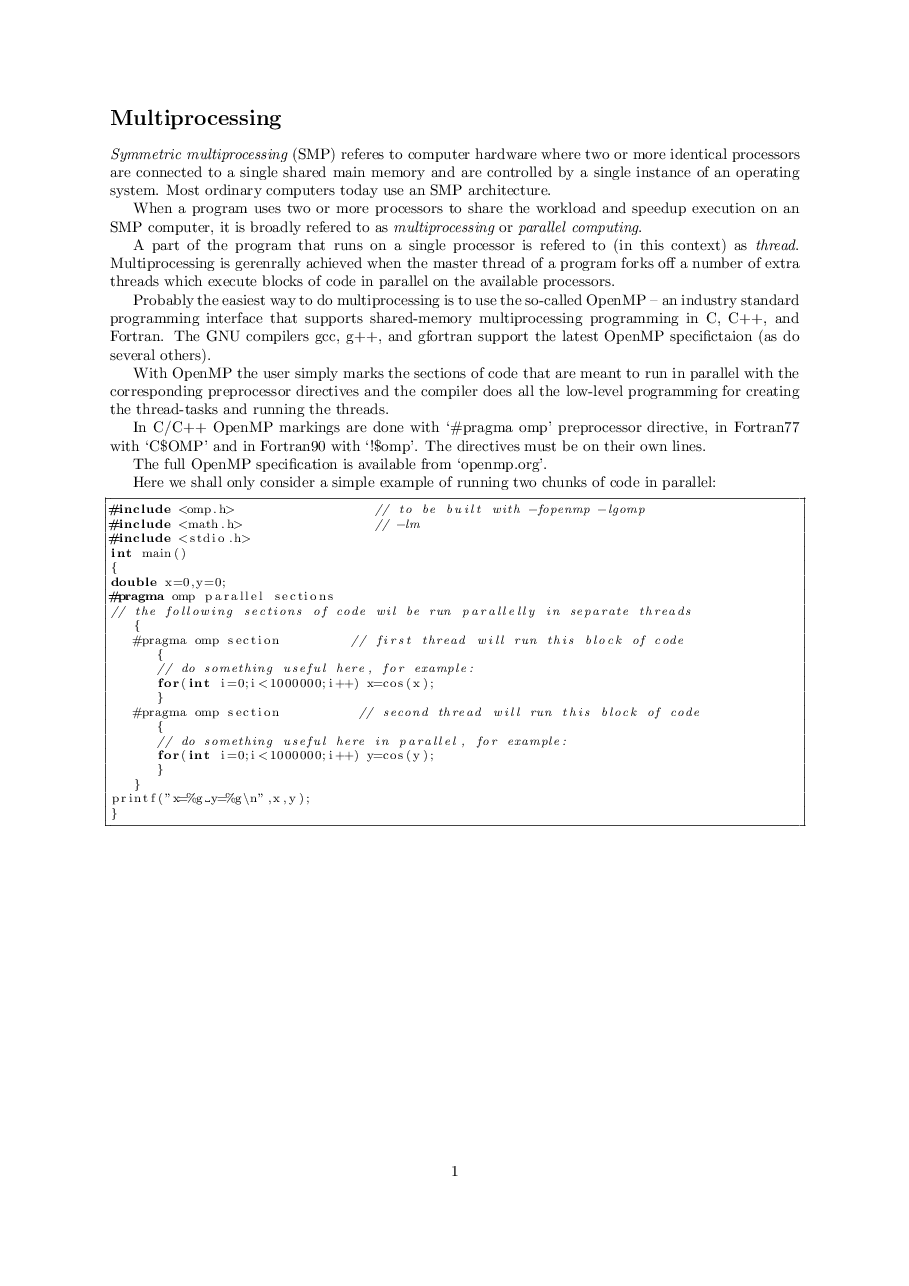
- Multiprocessing
[ pdf;
page1.png; (June 25 2019)
]
-
Processes and
threads; multiprocessing and multithreading; POSIX
threads (pthreads).
- Open
Multi-Processing specification (OpenMP, OMP) for multiprocessing in
C/C++ and Fortran:
- Header file: omp.h; CFLAGS += -fopenmp; LDFLAGS += -lgomp;
- OpenMP
tutorial from llnl.gov
- parallel work-sharing:
- #pragma omp parallel for
- #pragma omp parallel sections
- Examples can be found here.
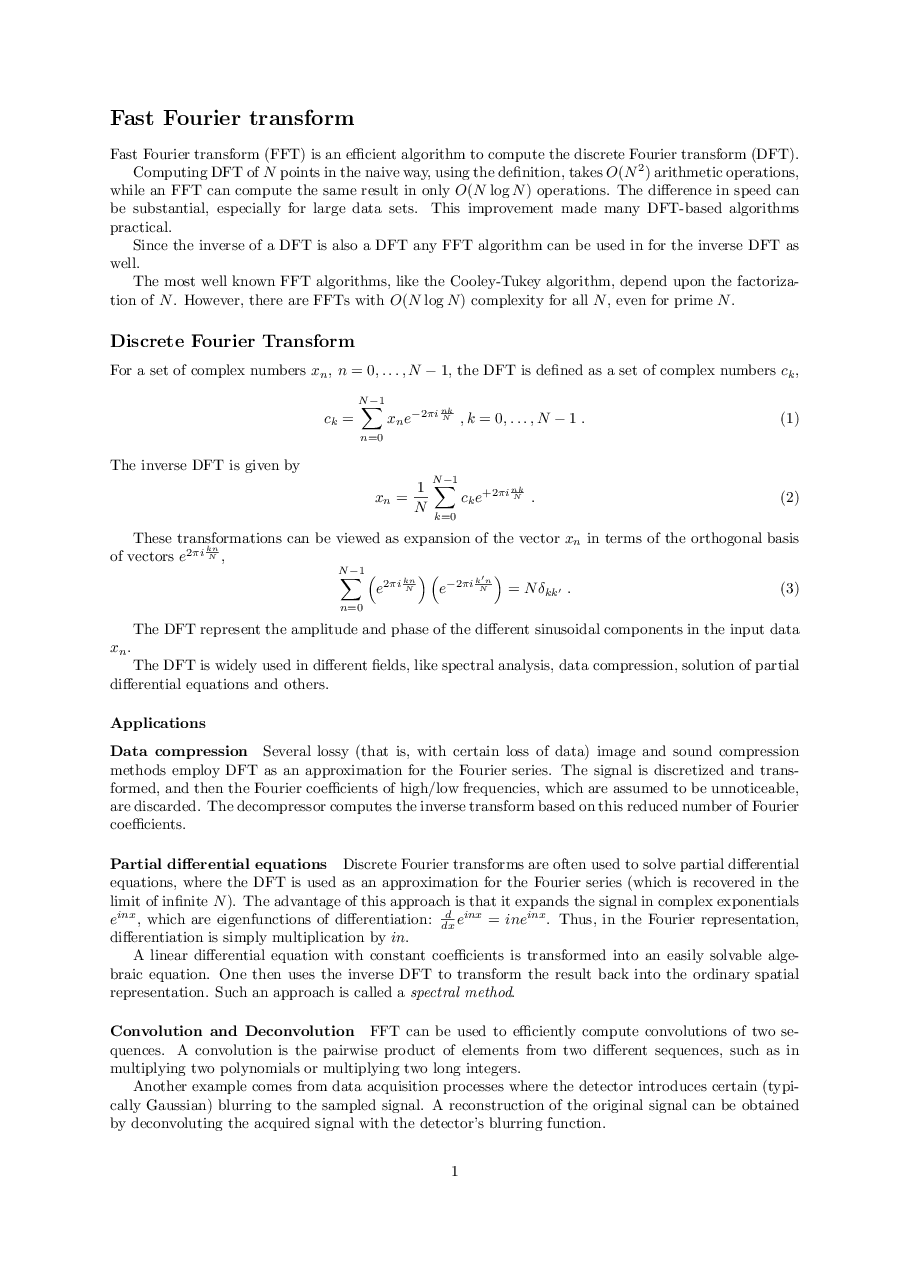
- Fast Fourier transform and applications
[ pdf;
page1.png; page2.png; (June 25 2019)
]
Discrete Fourier Transform and applications;
Fast Fourier Transform: Danielson-Lanczos lemma and Cooley-Tukey algorithm.
- Last bits:
- More on multi-threading: thread safety.
- Calculations of the complex valued special functions.
[
png,
pdf
]
- Literature:
- D.V.Fedorov, Introduction to Numerical Methods, lecture notes
[1M PDF file
(June 25 2019)
].
- Evaluation:
- Project and exercises, 7-scale grade.
- Useful links:
- [
Linuxbog.dk |
GNU scientific library |
Computer Language Benchmarks
]
- Servers:
-
IFA's servers are
lifa.phys.au.dk. From outside the firewall
you login to lifa with RSA-keys; from inside –
with NFIT password. VPN effectively brings
you inside the firewall.
We also have a dedicated server for numerical methods,
molveno, which is a two-processor box running the current
Ubuntu. You can only login into molveno from inside the
firewall. That is, from home you have to login first into
lifa.phys.au.dk and then to molveno. molveno
box is better updated and has more software installed.
- Program examples
- can be found here.
- Homeworks:
- Is now located at the Wiki at AULA
-
"Copyleft"
© 2004-2009
D.V.Fedorov
(fedorov at phys dot au dot dk)